
Why Use CNC Machining to Cut Acrylic?
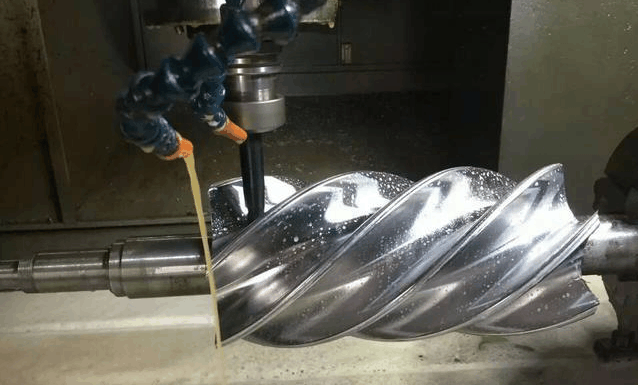
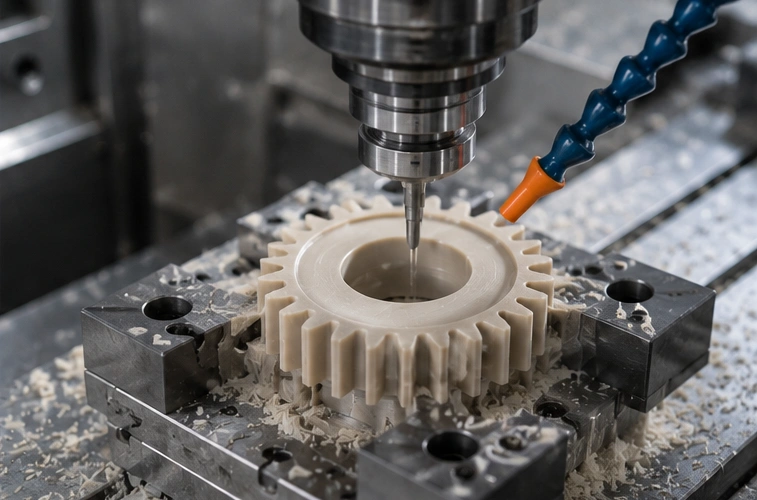
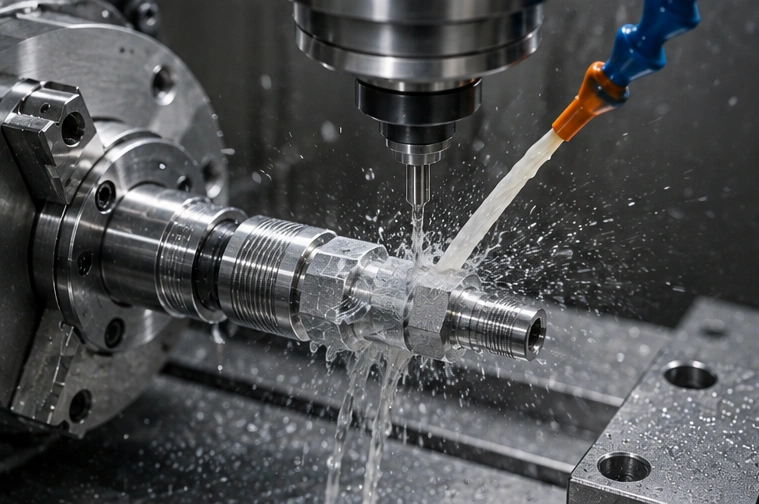
CNC (Computer Numerical Control) machining is an automated manufacturing process that uses precision cutting tools to turn raw materials into finished parts or products. It has become a popular method for cutting acrylic due to the following key advantages:
Material Compatibility
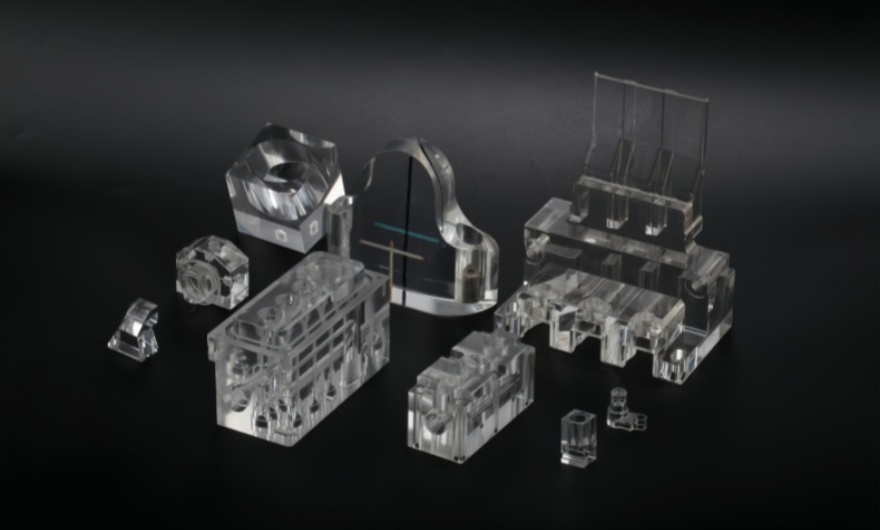
Acrylic is a thermoplastic that becomes pliable when heated, making it highly suitable for CNC machining. This inherent property allows the material to be easily fabricated and shaped using this precise and efficient process.
High-Precision Parts Manufacturing
CNC machines offer extremely high cutting accuracy, with tolerances as tight as one-thousandth of an inch (±0.001″). This level of precision is especially critical when working with acrylic, as the material demands clean edges and exact dimensions.
Increased Productivity
CNC machining is one of the most efficient ways to manufacture acrylic parts, particularly for small to medium production runs. Compared to manual methods, it significantly speeds up production, thereby improving efficiency and overall productivity in acrylic manufacturing.
Reduced Material Waste
Thanks to its precise cutting capabilities, CNC machining cuts acrylic with optimal force, preventing irreversible damage. This enables the fast and effective production of acrylic components with exact shapes and dimensions. By improving accuracy, CNC machining helps minimize waste during the manufacturing process.
High Repeatability
The automated nature of CNC processing ensures consistent quality across multiple parts or batches, delivering stable and repeatable precision for every PMMA workpiece. This reliability is a major advantage of CNC machining, especially when uniformity and accuracy are essential in acrylic part production.
Cost Savings in Manufacturing
Compared to manual machining methods, CNC machining can significantly reduce overall manufacturing costs by minimizing material waste, increasing efficiency, and lowering labor expenses. The precision and automation of CNC enable a more streamlined and cost-effective production workflow.