

CNC Machined Marine Parts for Shipbuilding & Offshore Equipment
Precision CNC machining for marine hardware, ship equipment parts, brackets, shafts, and custom metal components designed for harsh marine environments with corrosion resistance and long service life.
- Marine brackets, mounts, supports and structural components
- Shafts, pins and precision rotating marine parts
- Ship equipment hardware and installation components
- Offshore platform and marine system metal parts
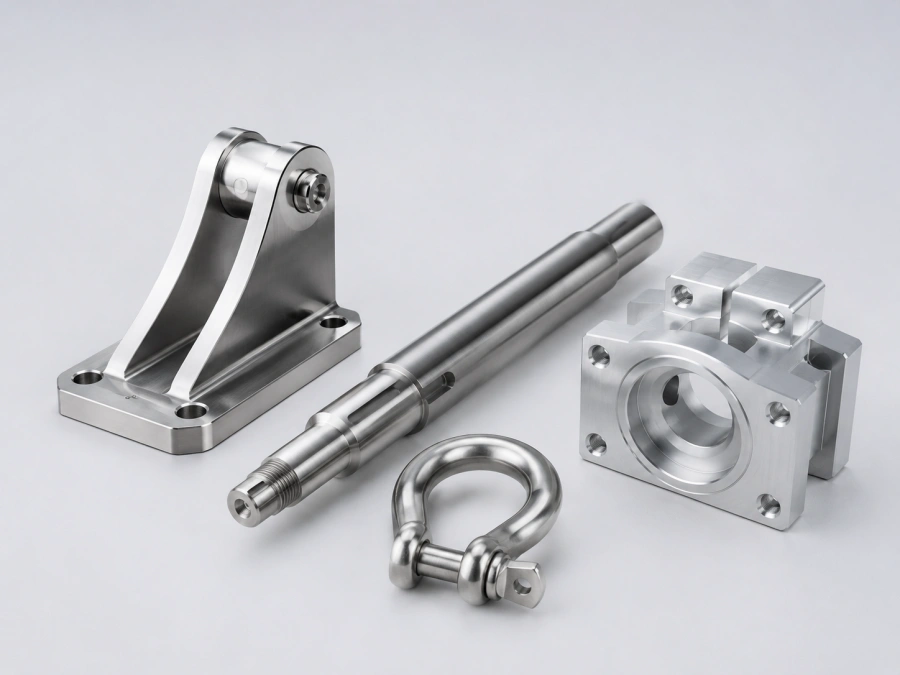
CNC Machined Marine Components for Harsh Environments
This case study covers CNC machined marine parts used in shipbuilding, offshore platforms, and marine equipment systems. These components are designed for long-term operation in saltwater, high humidity, and corrosion-prone environments where reliability and material selection are critical.
Typical parts include marine brackets, shafts, mounting hardware, structural connectors, and custom machined components used in propulsion systems, deck equipment, navigation systems, and offshore installations.
Marine Brackets
Structural brackets, mounting supports, reinforcement parts and installation hardware used in ship systems and offshore equipment assemblies.
Marine Shafts
Precision machined shafts, pins and rotating components requiring alignment accuracy, surface finish control and corrosion resistance.
Ship Equipment Parts
CNC machined structural and functional components used in ship equipment systems, including housings, connectors and support structures.
Marine Hardware
Fastening parts, mounting components, custom connectors and installation hardware for marine and offshore environments.
Material selection focuses on corrosion resistance in seawater and offshore environments.
Tight tolerance machining ensures proper assembly of shafts, brackets and mating components.
Supports prototypes, replacement parts and small batch marine component manufacturing.
Typical CNC Machined Marine Components
CNCTAL manufactures custom CNC marine parts including structural brackets, shafts, hardware components and offshore equipment parts designed for corrosion resistance and long-term operation in harsh marine environments.
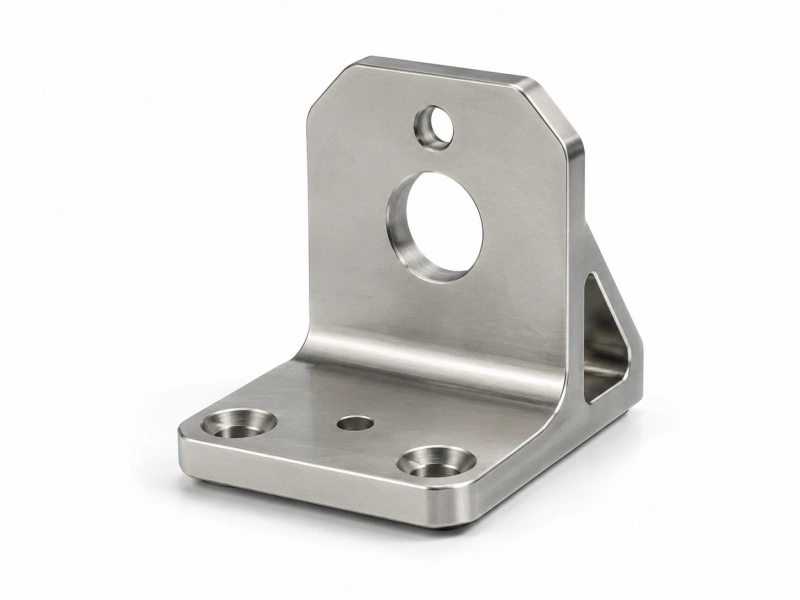
Marine Brackets
CNC machined stainless steel and aluminum brackets for ship structures, mounting systems, support frames and offshore installations.
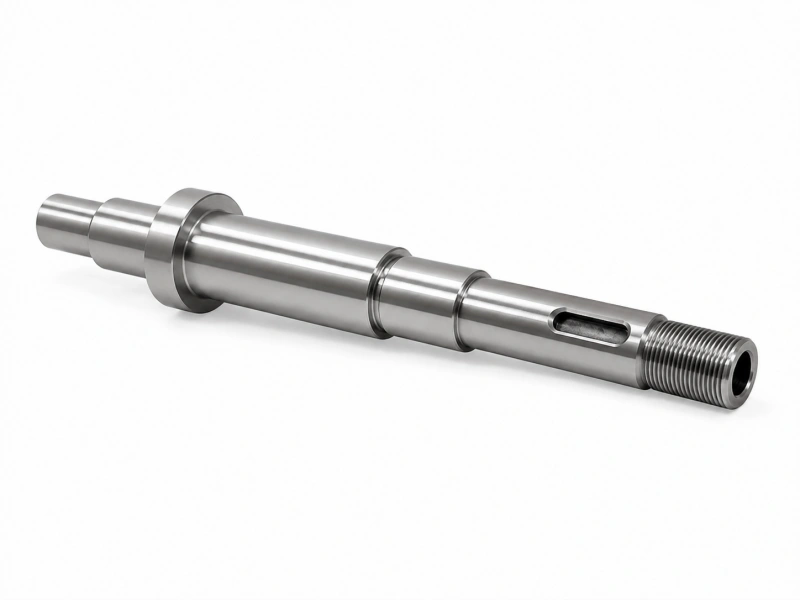
Marine Shafts
Precision shafts and rotating components used in marine propulsion, alignment systems and mechanical transmission assemblies.
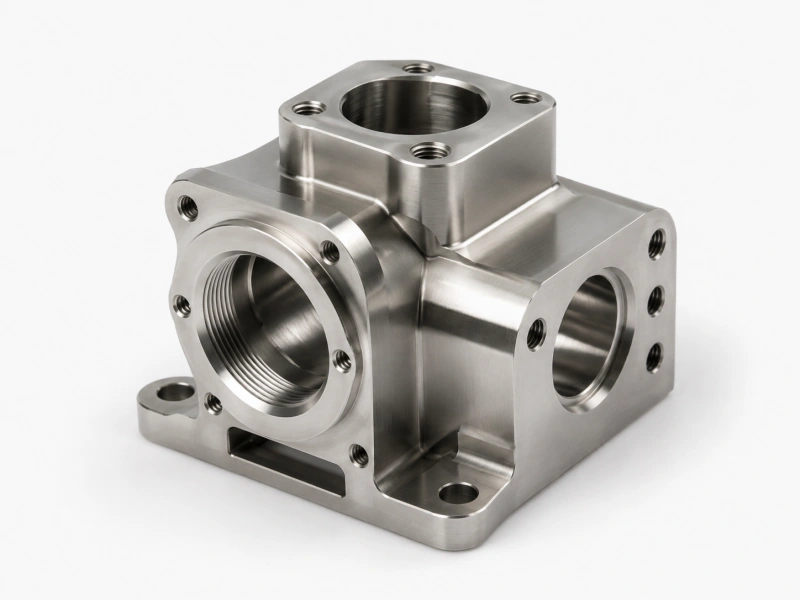
Ship Equipment Components
CNC machined structural parts for ship systems, including housings, connectors, adapters and support components.
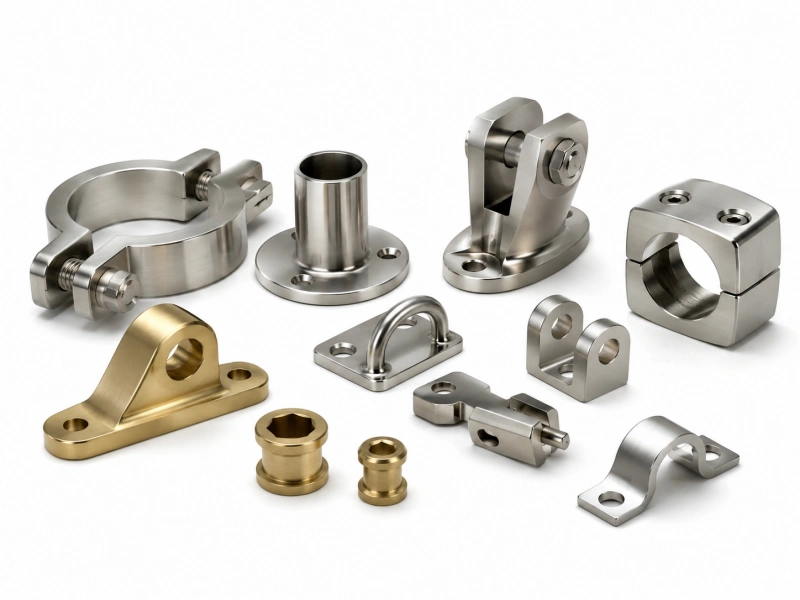
Marine Hardware Parts
Custom fasteners, mounting hardware, clamps and installation parts designed for marine and offshore applications.
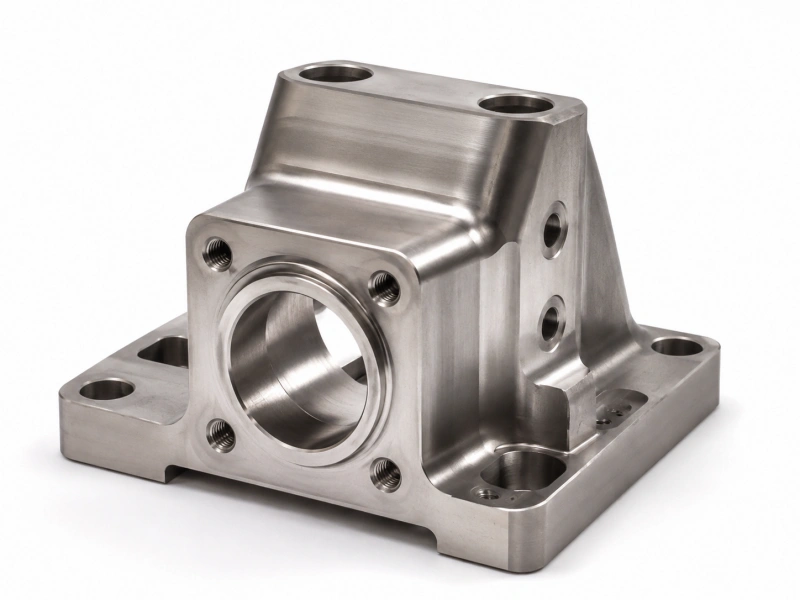
Offshore Equipment Parts
CNC machined components for offshore platforms, oil & gas systems, and marine engineering structures.
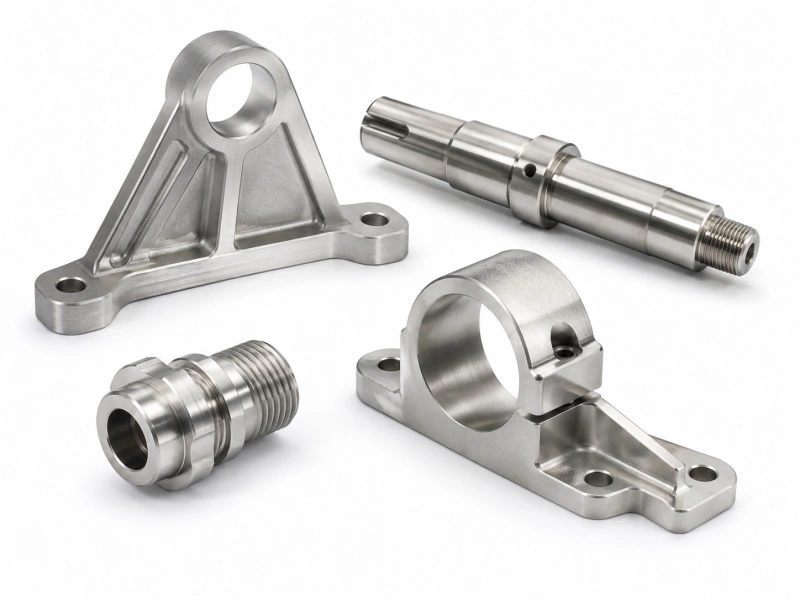
Custom Marine CNC Parts
Non-standard marine components made from drawings or samples, optimized for corrosion resistance and assembly performance.
Challenges in Marine CNC Machining
Marine components are exposed to saltwater, humidity and long-term mechanical load. Compared with general industrial parts, CNC machined marine parts require stricter control of corrosion resistance, material selection and assembly precision.
- Corrosion Resistance in Saltwater Marine environments accelerate corrosion, so material selection and surface protection are critical for long-term durability.
- Precision Shaft Alignment Marine shafts and rotating components require high concentricity and stable machining to ensure smooth mechanical operation.
- Thread Sealing & Leakage Control Threaded holes and connections must maintain sealing performance under vibration and pressure conditions.
- Structural Load in Offshore Use Brackets and mounting components must withstand dynamic loads from waves, vibration and long-term operation.
What We Check Before Machining Marine Parts
SS316, duplex stainless, aluminum or brass based on corrosion requirement.
Shaft diameter, hole positions, mating interfaces and sealing surfaces.
Thread depth, engagement quality and sealing performance in marine use.
Passivation, anodizing or coating requirements for corrosion resistance.
Fit between brackets, shafts, housings and mating marine components.
Dimensional inspection, surface finish and corrosion-related checks.
CNC Machining Solutions for Marine Components
Marine parts require a combination of CNC milling, turning, threading and surface treatment to ensure dimensional accuracy, corrosion resistance and reliable performance in seawater and offshore environments.
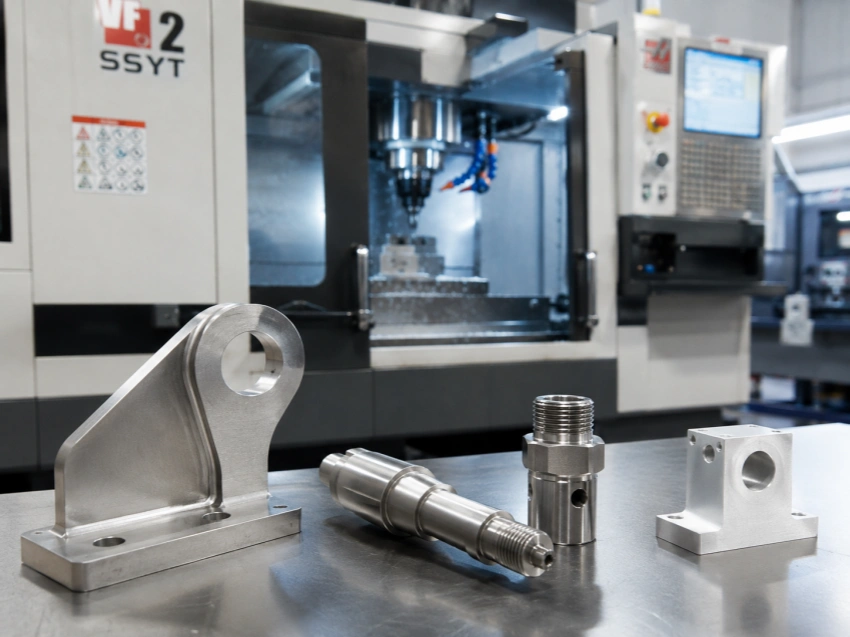
From Raw Material to Marine-Grade CNC Components
Marine components start with material selection based on corrosion resistance requirements. Stainless steel 316 is commonly used for ship hardware, while aluminum is used for lightweight structures and brackets.
CNC machining ensures precise geometry for shafts, brackets and housings. Critical areas such as threads, sealing surfaces and mating interfaces are carefully controlled to ensure long-term performance in saltwater environments.
- CNC milling for brackets, housings and structural components
- CNC turning for shafts, pins and rotating marine parts
- Precision threading for sealing and assembly connections
- Surface treatment for corrosion resistance improvement
CNC Milling
Used for marine brackets, structural components, mounting bases and complex geometric parts requiring precision flat surfaces and pockets.
CNC Turning
Used for shafts, pins and cylindrical marine components requiring high concentricity and smooth surface finish.
Thread Machining
Precision threading for sealing joints, mounting connections and hardware used in ship systems and offshore assemblies.
Surface Treatment
Passivation, anodizing, plating and anti-corrosion treatments to improve resistance in saltwater environments.
Deburring & Finishing
Edge finishing and deburring to ensure safe assembly, improved sealing performance and better corrosion protection.
Inspection Control
Dimensional inspection of shafts, threads, hole positions and critical interfaces before shipment.
Materials and Surface Finishes for Marine CNC Parts
Marine components must withstand saltwater corrosion, humidity, and long-term mechanical load. Material selection and surface treatment are critical to ensure durability and stable performance in shipbuilding and offshore environments.
Stainless Steel 316
Most CommonStandard marine-grade stainless steel for ship hardware and offshore components.
- Excellent corrosion resistance
- Suitable for seawater environments
- Used for shafts, brackets, fasteners
- Stable long-term mechanical performance
Duplex Stainless Steel
High StrengthUsed for high-load marine structures requiring superior strength and corrosion resistance.
- Higher strength than SS316
- Excellent resistance to chloride corrosion
- Suitable for offshore platforms
- Heavy-duty marine components
Aluminum 6061 / 7075
LightweightUsed for lightweight marine structures and non-immersed components.
- Lightweight for marine assemblies
- Good machinability
- Can be anodized for protection
- Used for brackets and housings
Brass / Copper
Special UseUsed for selected marine fittings and conductive or wear-sensitive components.
- Good corrosion behavior in seawater
- Suitable for fittings and connectors
- Used in marine instrumentation
- Good machinability
Marine Alloy Steel
StructuralUsed for structural marine parts requiring high load capacity.
- High strength structure support
- Suitable for heavy equipment
- Requires protective coating
- Used for mounting structures
Engineering Plastics
ProtectivePOM, Nylon and PTFE used for non-metallic marine contact parts.
- Low friction contact surfaces
- Prevents metal wear
- Used in sealing or guiding parts
- Lightweight and stable
Why Surface Treatment Matters in Marine Parts
In marine environments, even high-grade stainless steel can be affected by long-term exposure to saltwater. Surface treatments improve corrosion resistance, extend service life, and maintain mechanical reliability in offshore applications.
Common Surface Finishes
Tolerances and Inspection for Marine CNC Parts
Marine components require strict inspection of critical dimensions, especially where shafts, threads, sealing surfaces and mounting interfaces are involved. Accuracy directly affects safety, sealing performance and long-term reliability.
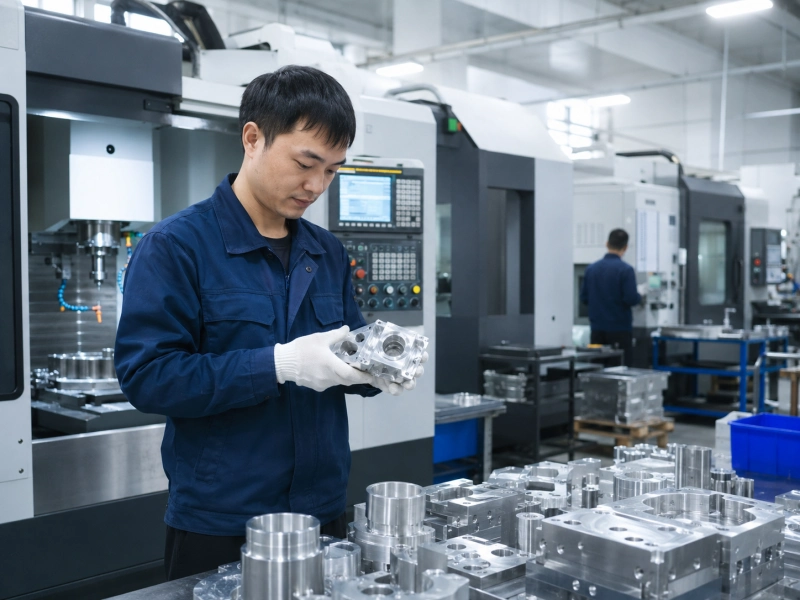
Key Inspection Items for Marine Parts
| Shaft Diameter & Runout | Marine shafts and rotating parts require controlled concentricity and runout to ensure smooth mechanical operation. |
|---|---|
| Thread Quality | Thread depth, pitch accuracy and engagement quality are checked for sealing and structural reliability. |
| Sealing Surfaces | Flatness and surface finish of sealing faces are critical for preventing leakage in marine systems. |
| Hole Position Accuracy | Mounting holes, bracket interfaces and alignment holes are inspected for assembly fit. |
| Flatness & Parallelism | Structural parts must maintain flat and parallel surfaces for stable assembly in ship systems. |
| Surface Finish | Roughness and finishing quality are checked to ensure corrosion resistance and coating performance. |
Dimensional Control
Critical dimensions are inspected to ensure parts meet marine assembly requirements.
Corrosion Focus
Material and surface condition are reviewed for long-term seawater exposure.
Assembly Fit Check
Ensures brackets, shafts and housings fit correctly in marine equipment systems.
Where CNC Marine Parts Are Used
CNC machined marine components are widely used in shipbuilding, offshore engineering, marine equipment systems and maintenance applications where corrosion resistance and structural reliability are critical.
Marine Engineering Applications
Marine CNC parts are not limited to one industry segment. They are used across ship systems, offshore platforms, navigation equipment and mechanical support structures where precision and corrosion resistance are required.
CNCTAL supports both prototype development and production parts for marine equipment builders, maintenance companies and offshore engineering suppliers.
Shipbuilding Systems
Structural brackets, mounting components and hardware used in ship hull systems, propulsion and onboard mechanical assemblies.
Offshore Platforms
Heavy-duty CNC parts used in offshore structures exposed to saltwater, wind and continuous mechanical load.
Marine Engines
Precision shafts, housings and mechanical components used in marine propulsion and engine support systems.
Navigation Equipment
Brackets, enclosures and support parts used in navigation systems and onboard electronic assemblies.
Deck Equipment
Marine hardware, fixtures and mounting components used on ship decks and operational platforms.
Maintenance & Repair
Replacement parts and retrofit components for marine systems and offshore equipment maintenance projects.
Performance Results for Marine CNC Parts
CNC machined marine components deliver stable performance in shipbuilding and offshore environments where corrosion resistance, precision assembly and long-term durability are essential.
By combining correct material selection, precision machining and surface treatment, marine parts can maintain reliable operation even under continuous exposure to saltwater, humidity and vibration.
- Improved corrosion resistance for long-term seawater exposure
- High-precision assembly fit for shafts, brackets and housings
- Stable performance in offshore vibration and load conditions
- Reduced maintenance frequency and replacement cost
- Flexible support from prototype to small batch production
For critical marine components
Marine-grade stainless steel
Critical features checked
Depending on complexity
Latest Blog Posts
Marine CNC Parts FAQs
Common questions about CNC machined marine components, materials, corrosion resistance and offshore applications.