

CNC Machining
Polyphenylene Sulfide (PPS)
Custom CNC machining for PPS parts requiring high temperature performance, excellent dimensional stability and strong chemical resistance. CNCTAL machines both unfilled and glass-filled PPS for precision industrial components.
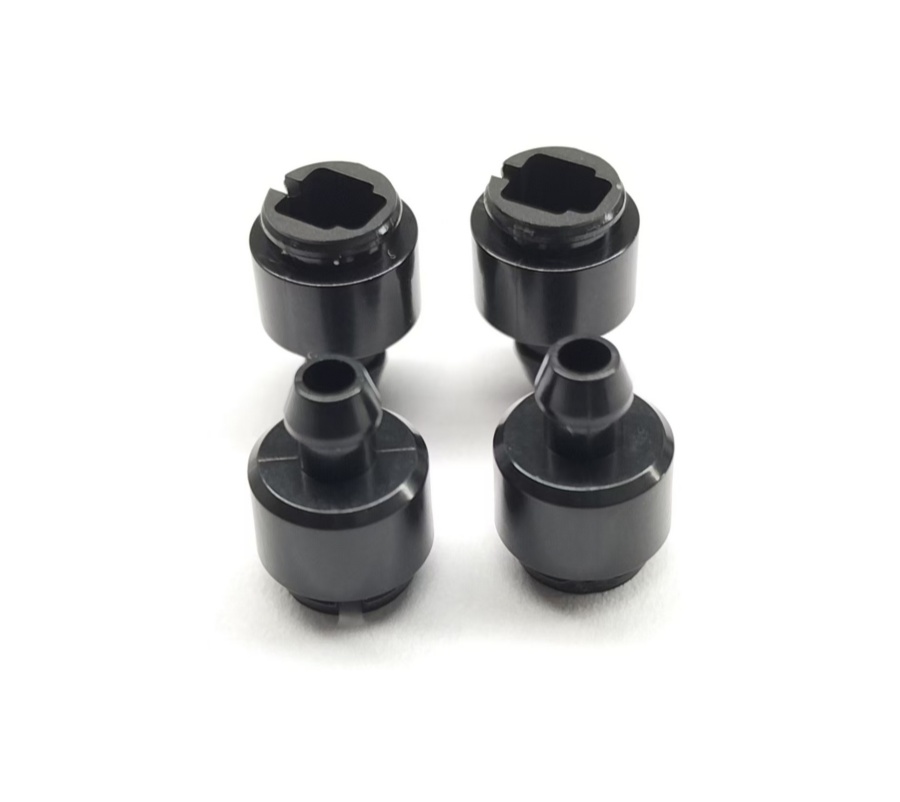
Why Choose PPS for CNC Machining?
Polyphenylene sulfide is a high-performance engineering plastic used where heat resistance, dimensional stability, chemical resistance and reliable electrical insulation are required.
High Temperature Performance
PPS maintains useful mechanical properties at elevated temperatures, making it suitable for components used in demanding thermal environments.
Excellent Dimensional Stability
Low moisture absorption and good thermal stability help PPS maintain dimensions in precision parts and tightly controlled assemblies.
Strong Chemical Resistance
PPS resists many fuels, solvents, acids and industrial chemicals, making it useful for chemical-processing and fluid-system components.
Good Electrical Insulation
PPS offers stable electrical insulation properties and is often used in connectors, housings, supports and other non-conductive components.
Polyphenylene Sulfide (PPS) Material Properties
PPS is a high-performance engineering thermoplastic known for low moisture absorption, strong chemical resistance, high thermal stability and excellent dimensional consistency. These properties make it well suited for precision CNC machined components.
| Property | Typical PPS Characteristic |
|---|---|
| Density | Approximately 1.35–1.65 g/cm³ depending on grade and reinforcement |
| Water Absorption | Very low, supporting good dimensional stability |
| Temperature Performance | Suitable for elevated-temperature applications compared with standard engineering plastics |
| Chemical Resistance | Excellent resistance to many fuels, solvents, acids and industrial chemicals |
| Dimensional Stability | Excellent, especially in precision mechanical and electrical components |
| Electrical Insulation | Good and stable insulating performance across demanding applications |
| Machinability | Good, but sharp tooling and controlled cutting conditions are recommended |
| Stiffness | High, with glass-filled PPS offering significantly increased rigidity |
Common PPS Grades
PPS is available in both unfilled and reinforced grades. The correct grade depends on stiffness, wear, thermal and dimensional requirements.
- Unfilled PPS: good dimensional stability, chemical resistance and electrical insulation.
- Glass-Filled PPS: higher stiffness, strength and thermal dimensional stability.
- PPS-GF40: a common glass-reinforced formulation used where high rigidity is required.
- Reinforced PPS may require more wear-resistant cutting tools during machining.
Applications for CNC Machined PPS Parts
CNC machined PPS components are commonly used in demanding environments where dimensional stability, heat resistance, chemical resistance and electrical insulation are important.
Semiconductor Equipment
PPS is used for precision fixtures, insulators, holders and custom components where low moisture absorption and dimensional stability are important.
Electrical Components
Good electrical insulation and thermal stability make PPS suitable for connector parts, supports, housings and non-conductive mechanical components.
Chemical Processing Parts
PPS can be used for custom components exposed to solvents, fuels, acids and other industrial chemical environments.
High-Temperature Components
PPS is suitable for machined parts operating in elevated-temperature environments where standard engineering plastics may lose stiffness.
Precision Fixtures & Insulators
High rigidity and dimensional consistency make PPS useful for precision fixtures, spacers, locators and insulating supports.
Industrial Equipment Parts
CNC machined PPS can be used for custom brackets, wear components, supports and structural parts in demanding industrial machinery.
CNCTAL PPS Machining Capability
CNCTAL machines custom PPS components from unfilled and glass-filled stock materials based on customer drawings and 3D CAD models. We support CNC milling, turning and precision secondary machining for demanding industrial applications.
CNC Milling
Machining PPS plates, blocks and custom profiles with pockets, holes, slots, mounting features and complex precision geometry.
CNC Turning
Production of PPS sleeves, bushings, rings, spacers and other cylindrical components requiring stable dimensions.
Precision Custom Features
Machining of threaded holes, counterbores, grooves, pockets, locating features and drawing-specific precision geometry.
Prototype & Production Parts
Support for engineering prototypes, functional components and repeat production based on approved drawings and specifications.
Dimensional Inspection
Critical dimensions can be inspected according to customer drawings using suitable measurement methods before shipment.
Unfilled & Glass-Filled PPS
Support for unfilled PPS and reinforced grades such as glass-filled PPS, with machining methods adjusted for stiffness and tool wear.
From Your Drawing to Finished Parts
A straightforward process for custom CNC parts, from project review through machining, inspection and delivery.
Send Your Files
Share your CAD files or drawings together with the main project requirements.
Review & Quote
We review manufacturability and provide pricing, lead time and production details.
Machine & Inspect
Parts are produced to the approved requirements and checked during production.
Pack & Deliver
Finished parts are securely packed and shipped to your specified destination.
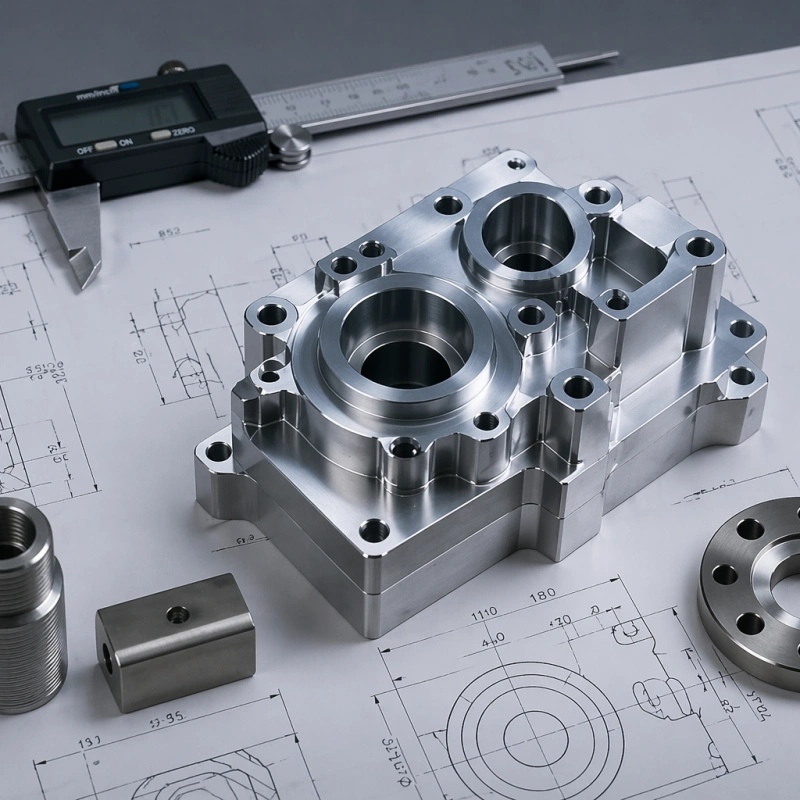
How We Control Part Quality
Quality control is built into every stage of our CNC machining workflow — from drawing review and material verification to in-process inspection and final shipment checks.
Drawing Review
We check drawings, tolerances, materials, finishes, and critical features before production.
Material Inspection
Raw materials are verified to confirm specification, grade, and project requirements.
In-Process Control
Critical dimensions are monitored during machining to maintain accuracy and repeatability.
Final Inspection
Finished parts are checked for dimensions, appearance, surface finish, and packaging condition.
Up to ±0.01 mm Tolerance
Support for precision CNC parts with tight dimensional requirements and stable repeatability.
Reliable Measurement Tools
Inspection with standard measuring tools, 2D vision inspection, and CMM support when required.
ISO-Based Process Control
Structured workflow for material control, machining inspection, documentation, and final verification.