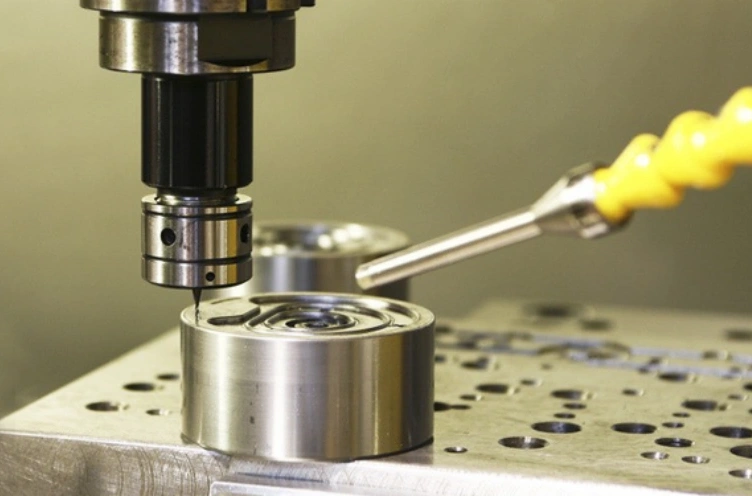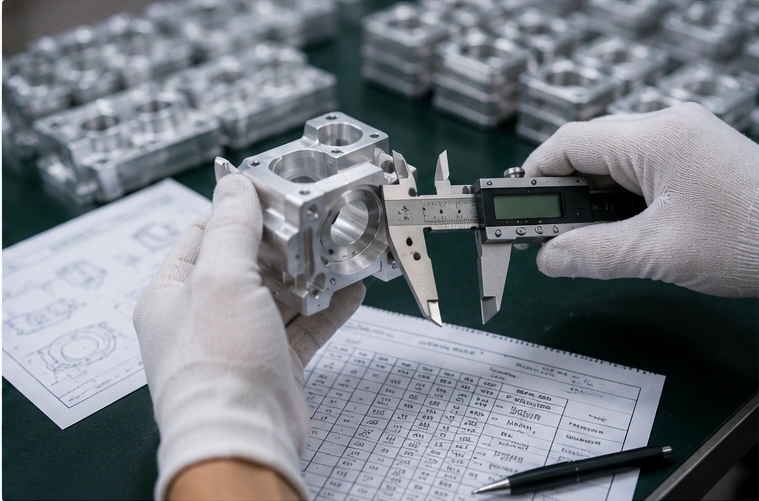

CNC Machining for Drone Parts
CNC machining plays an important role in manufacturing high-precision drone parts. From lightweight frames and propellers to motor mounts and mission-specific components, precision machining helps improve drone stability, strength, and performance.
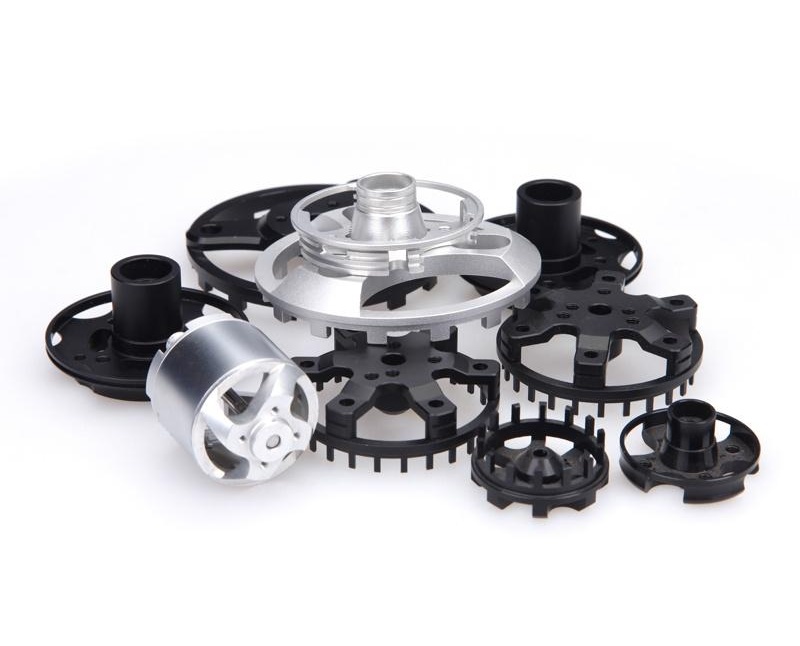
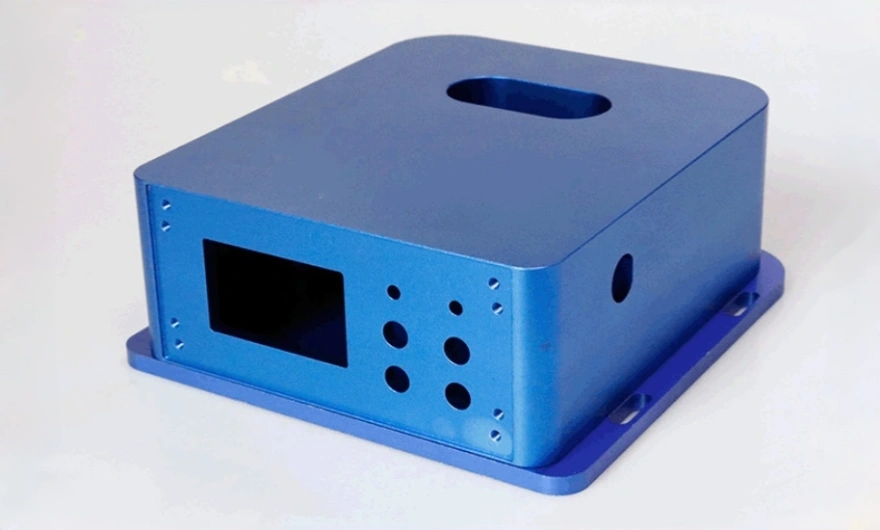
CNC machined parts are widely used in drone frames, motor mounts, brackets, and structural components.
In today’s rapidly developing technology market, drones have become important products across many industries. They are widely used in aerial photography, logistics, agriculture, inspection, research, and defense-related applications.
Behind these advanced flying systems, CNC machining technology provides strong support for the high-precision manufacturing of drone components. For drones, part accuracy, lightweight structure, surface quality, and material strength directly affect flight stability and overall performance.
For drone manufacturing, CNC machining is not only about producing parts. It helps ensure accurate assembly, reliable flight performance, and long-term component durability.
CNC Machining Technology: The Foundation of Drone Part Manufacturing
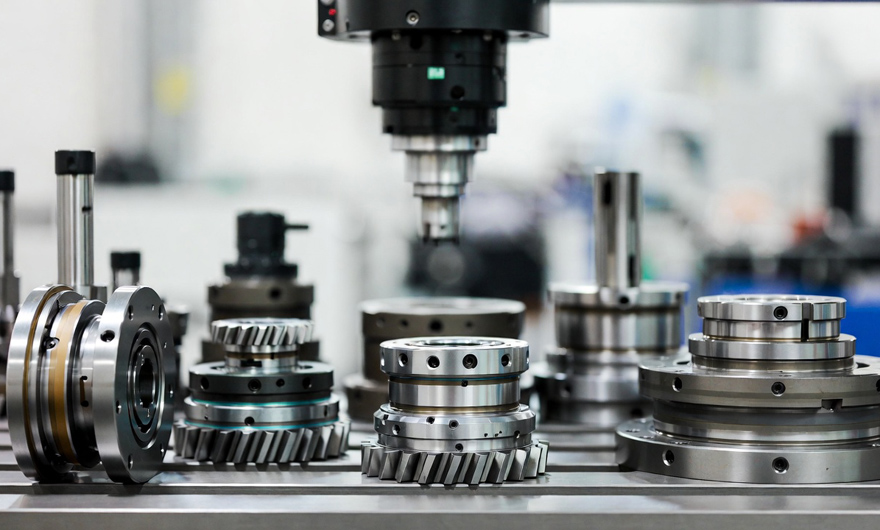
CNC, or Computer Numerical Control machining, is a manufacturing process that uses programmed tool paths to control machine tools. It is known for high precision, repeatability, efficiency, and the ability to produce complex geometries.
For drone parts, CNC machining is especially valuable because many components require tight tolerances and accurate assembly surfaces. Even small dimensional errors may affect vibration, balance, motor alignment, or frame stability.
Compared with some traditional manufacturing methods, CNC machining is also flexible for custom drone parts, prototypes, low-volume production, and engineering design validation.
Key Drone Parts Made by CNC Machining
Different drone systems require different types of machined parts. Some components focus on lightweight structure, while others require higher strength, better surface finish, or precise mounting accuracy.
1. Drone Frames
The drone frame is the main structural body of the aircraft. It supports internal components, external loads, motors, batteries, cameras, and other systems. CNC machining helps ensure accurate frame dimensions and stable assembly.
Common frame materials include aluminum alloys, magnesium alloys, and carbon fiber composite materials. These materials can provide good mechanical strength while keeping the overall structure lightweight.
2. Mission-Specific Mounting Parts
Some professional drones require custom mounting parts, payload brackets, equipment housings, or other mission-specific mechanical components. These parts may need to withstand vibration, impact, and outdoor operating conditions.
CNC machining can produce these components with accurate dimensions, reliable strength, and consistent quality, making it suitable for demanding UAV applications.
3. Propellers
Propellers are key components that generate lift and thrust. Their shape, size, balance, and surface finish directly influence drone flight performance.
CNC machining can help produce high-precision propeller components or propeller molds, supporting better balance, stable flight posture, and improved propulsion efficiency.
4. Motor Mounts
Motor mounts are used to secure drone motors. Their precision and strength directly affect motor stability, vibration control, and service life.
CNC machining ensures accurate dimensions and smooth mounting surfaces, allowing motor mounts to fit properly with the motor and frame structure. Optimized CNC machined motor mounts can also reduce unnecessary weight.
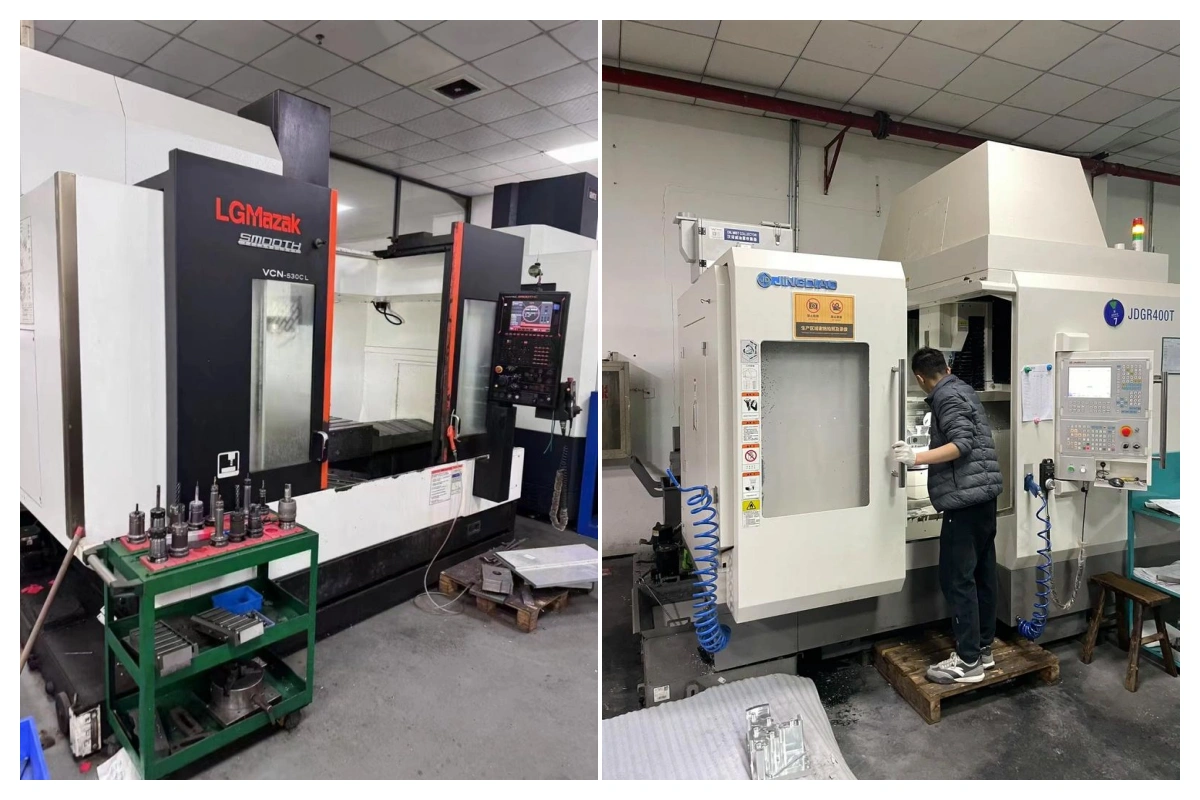
Precision machining supports lightweight, accurate, and reliable drone component production.
Common Materials for CNC Machined Drone Parts
Material selection is very important in drone part manufacturing. A suitable material can help balance strength, weight, corrosion resistance, machining cost, and application requirements.
- Aluminum alloys: Lightweight, strong, easy to machine, and suitable for frames, brackets, housings, and motor mounts.
- Magnesium alloys: Very lightweight and suitable for weight-sensitive UAV structural parts.
- Engineering plastics: Useful for covers, spacers, insulation parts, and lightweight non-load-bearing components.
- Carbon fiber composite materials: Often used for lightweight and rigid structural applications.
- Stainless steel: Suitable for stronger mounting parts, shafts, fasteners, or components requiring better wear resistance.
Advantages of CNC Machining for Drone Components
CNC machining offers several advantages for drone part manufacturing, especially when precision, consistency, and customization are important.
- High dimensional accuracy for stable assembly
- Good repeatability for prototype and low-volume production
- Ability to machine complex part geometries
- Support for lightweight structural design
- Compatible with aluminum, magnesium, plastics, and other materials
- Suitable for custom drone parts and engineering development
Challenges in CNC Machining Drone Parts
As drone technology continues to develop, the requirements for part precision and performance are also increasing. Manufacturers need better CNC equipment, optimized machining processes, and stricter inspection standards.
Some lightweight materials or complex structures may also increase machining difficulty and production cost. To improve efficiency and reduce risk, drone manufacturers should work closely with experienced CNC machining suppliers during the early design stage.
Conclusion
CNC machining is an important manufacturing solution for drone parts. It supports the production of accurate, lightweight, and reliable components such as frames, motor mounts, brackets, propeller-related parts, and custom UAV structures.
For companies developing drones or UAV systems, working with a capable CNC machining supplier can help improve part quality, shorten development cycles, and support both prototype and low-volume production needs.
Need Custom CNC Machined Drone Parts?
CNCTAL provides custom CNC machining services for drone frames, motor mounts, brackets, housings, and other precision UAV components. Send us your CAD files or drawings for a fast engineering review.
Request a QuoteFAQ About CNC Machined Drone Parts
What drone parts can be made by CNC machining?
CNC machining can be used to produce drone frames, motor mounts, brackets, housings, payload mounts, shafts, spacers, and other precision UAV components.
Which material is best for CNC machined drone parts?
Aluminum alloy is one of the most common choices because it is lightweight, strong, and easy to machine. Magnesium alloys, engineering plastics, and stainless steel may also be used depending on the application.
Is CNC machining suitable for drone prototypes?
Yes. CNC machining is very suitable for drone prototypes, custom parts, and low-volume production because it does not require expensive molds.
Why is precision important for drone components?
Precision affects assembly accuracy, balance, vibration control, flight stability, and the working life of motors and other critical drone systems.