
CNC Precision Machining for UAV and Drone Components
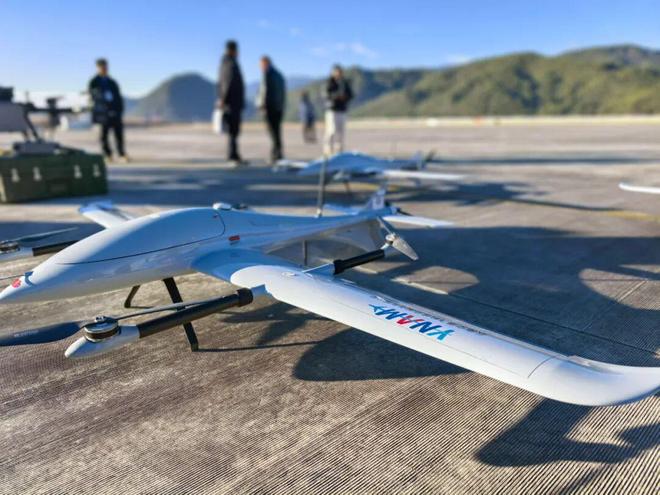
As drone technology continues to evolve, unmanned aerial vehicles (UAVs) are transforming industries worldwide. From industrial inspection and agriculture to logistics, mapping, aerial photography, and defense applications, modern drones rely on lightweight, accurate, and reliable precision components.
Among these components, CNC machined aluminum parts play a critical role because they combine lightweight performance, corrosion resistance, dimensional stability, and excellent machinability.
CNC Machining Technologies for Drone Components
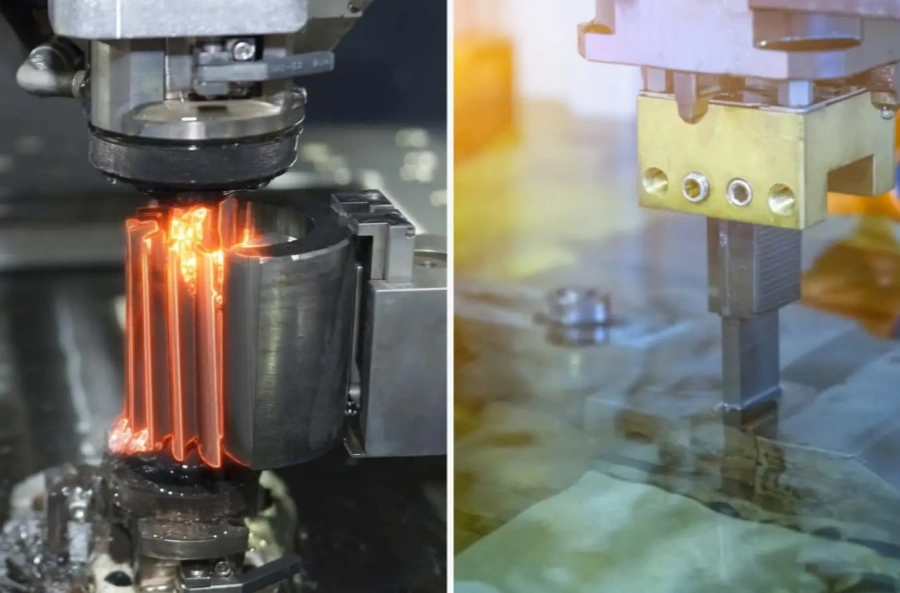
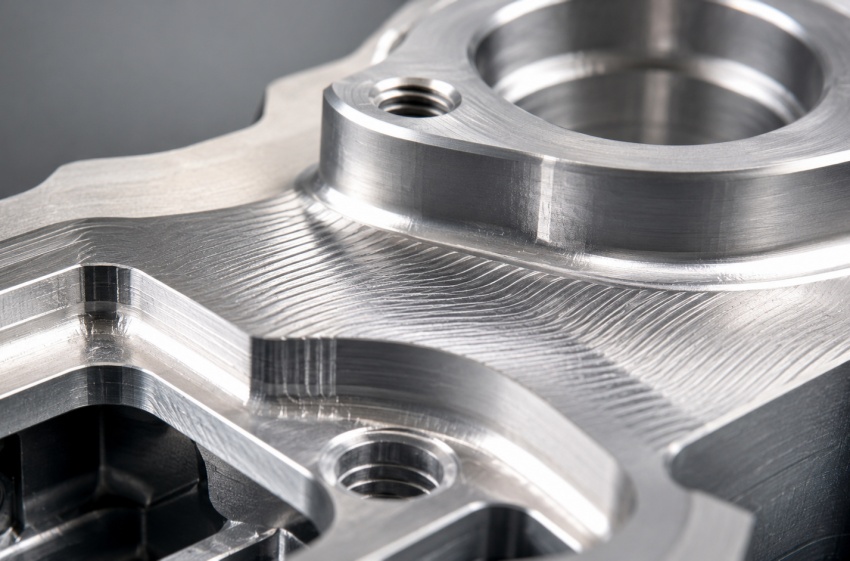
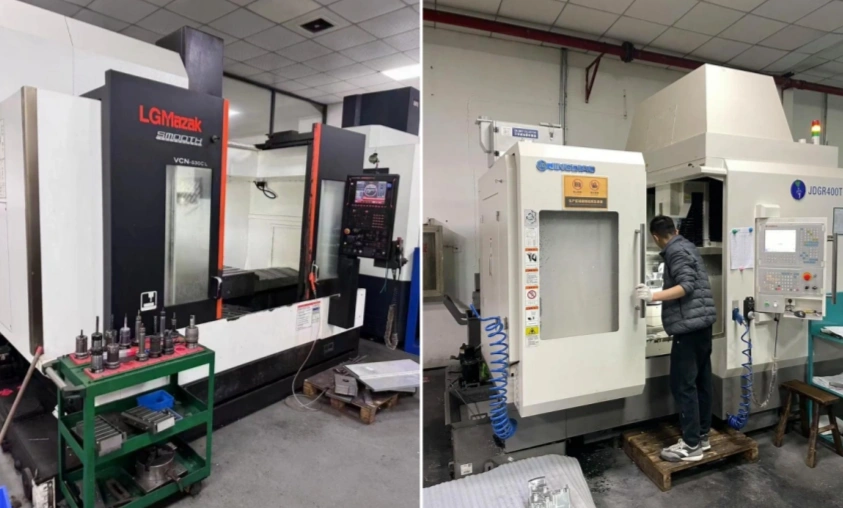
Drone component manufacturing depends heavily on advanced CNC machining technology. CNC machining allows manufacturers to create highly precise parts with tight tolerances, complex geometries, and excellent surface finishes.
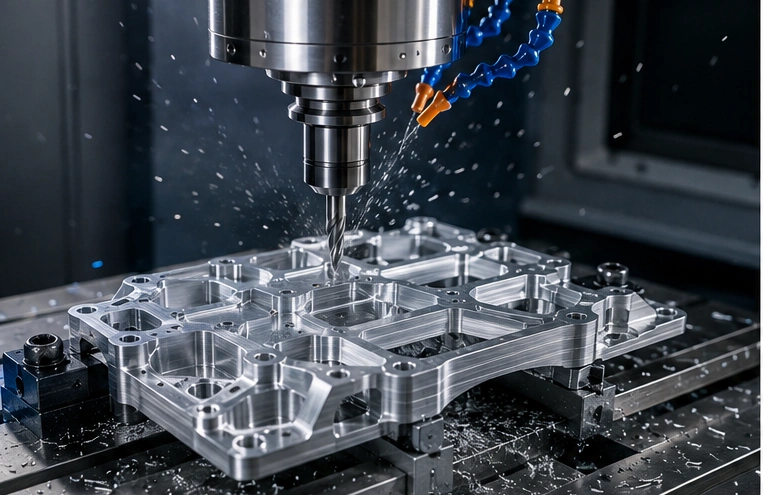
Common CNC processes used in UAV manufacturing include:
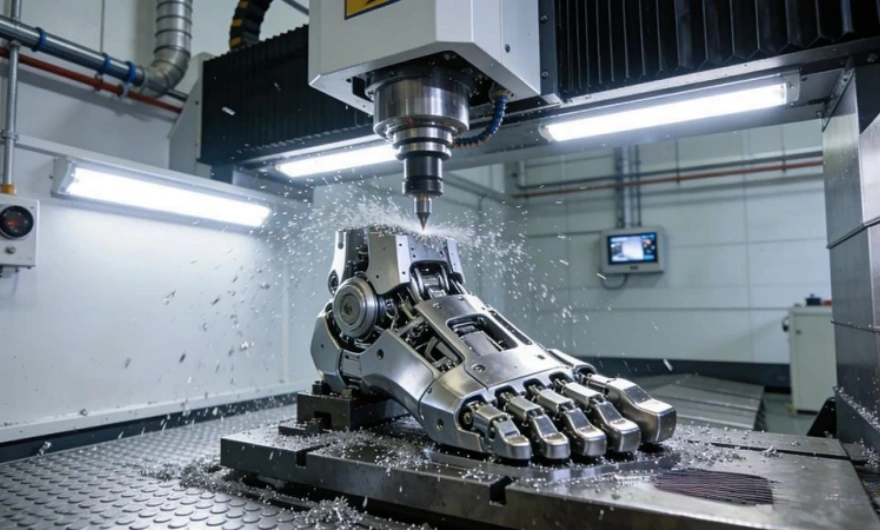
- CNC Milling
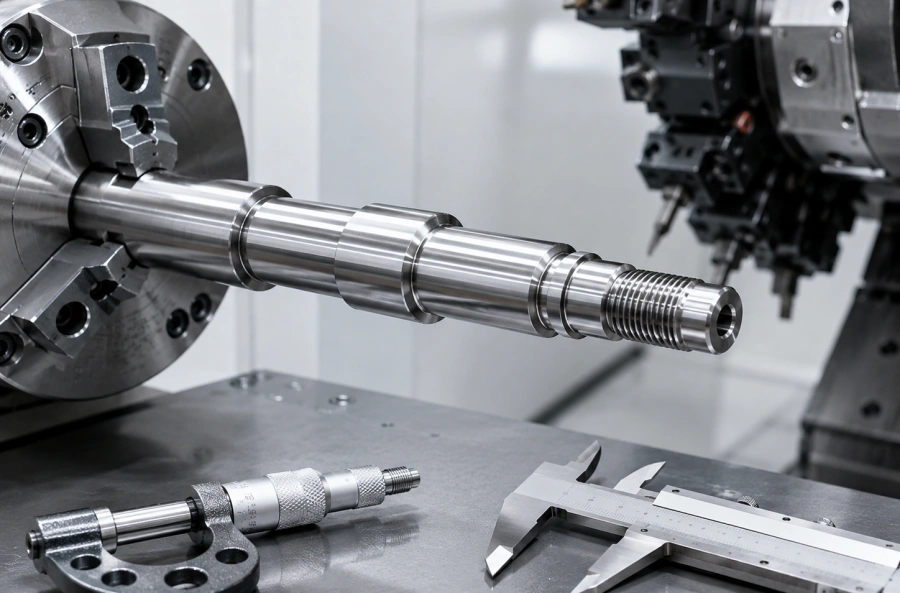
- CNC Turning
- Drilling and Tapping
- High-Speed Aluminum Machining
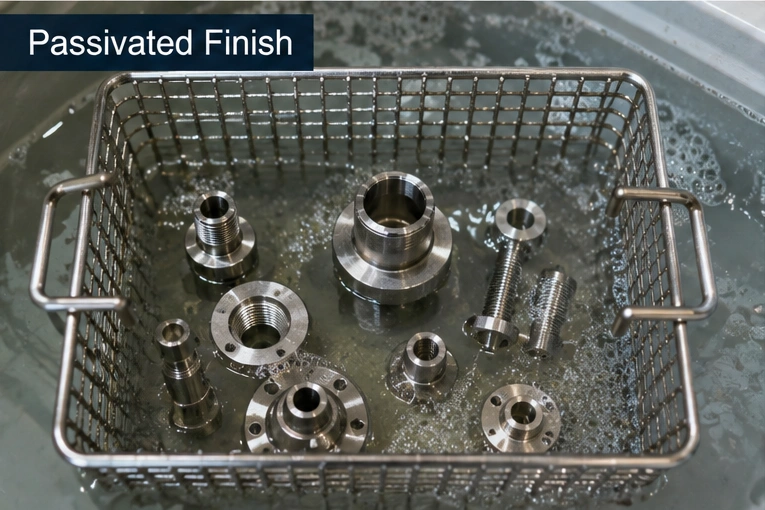
- Precision Surface Finishing
These processes help manufacturers produce lightweight yet rigid structures capable of handling vibration, changing loads, and harsh operating environments.
Common Materials Used in UAV CNC Machining
Selecting the right material is essential for UAV performance, durability, and weight reduction.
6061 Aluminum
Widely used for drone frames, brackets, housings, and general structural components due to its excellent machinability and corrosion resistance.
7075 Aluminum
Offers higher strength and stiffness-to-weight performance, making it suitable for demanding aerospace and industrial UAV applications.
Titanium, Carbon Fiber, and Engineering Plastics
Specialized drone systems may also use titanium alloys, composite materials, and engineering plastics for enhanced lightweight performance and environmental resistance.
Applications of CNC Machined Drone Parts
Airframes and Structural Components
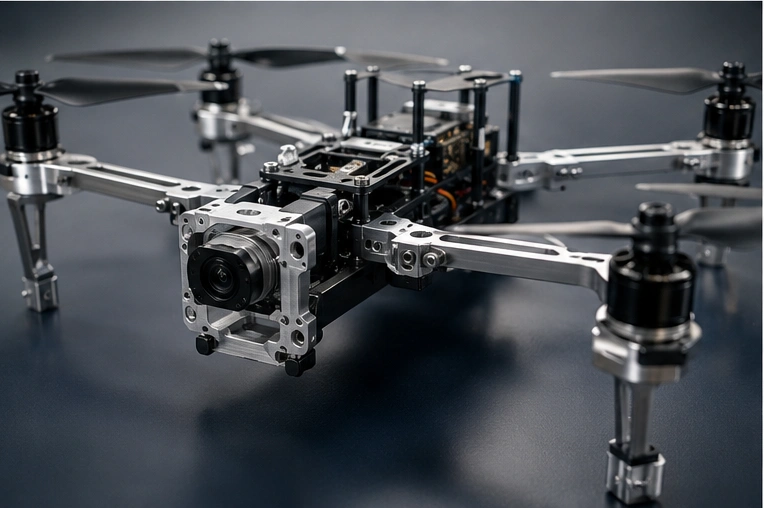
Drone frames, support arms, mounting plates, and housings must maintain structural rigidity while remaining lightweight. Precision CNC machining ensures repeatability and dimensional consistency across these components.
Motor Mounts and Brackets
Motor alignment directly influences propulsion stability and flight efficiency. High-precision machining helps reduce vibration and improves assembly accuracy.
Sensor Housings and Electronic Enclosures
Modern UAV systems integrate GPS modules, cameras, thermal imaging devices, LiDAR sensors, and communication electronics. CNC machined housings provide thermal management, environmental protection, and precise fitment.
Rotor Assemblies and Mechanical Interfaces
While many commercial drone propellers are produced from composite materials, CNC machining is widely used for rotor hubs, shaft adapters, balancing fixtures, and mechanical mounting interfaces.
Future Trends in Drone Component Manufacturing
As UAV applications continue expanding, manufacturers increasingly demand higher precision, lighter structures, and faster development cycles.
Future manufacturing trends are expected to focus on:
- Higher precision machining
- Advanced lightweight materials
- Digital manufacturing integration
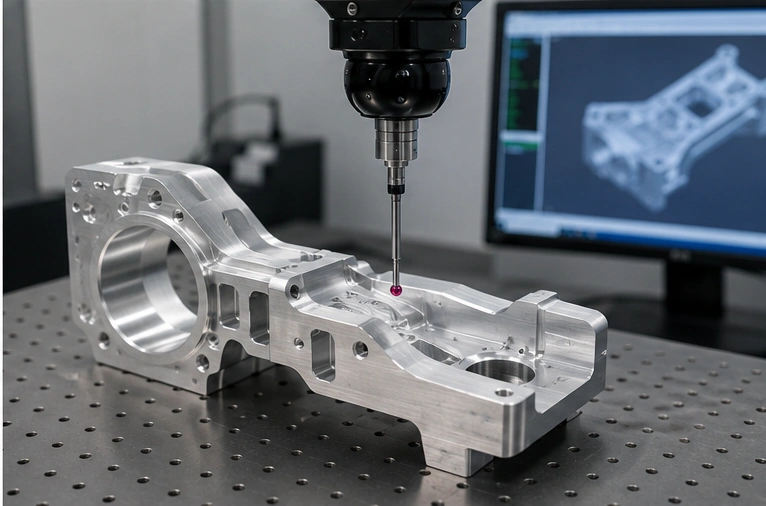
- Automated inspection systems
- Faster prototyping and low-volume production
CNC machining will continue to play a major role alongside additive manufacturing, smart production technologies, and automated quality control systems.
Why CNC Machining Remains Critical for UAV Manufacturing
Despite the growth of emerging manufacturing technologies, CNC machining continues to be one of the most reliable methods for producing UAV components.
- High dimensional accuracy
- Excellent repeatability
- Superior surface quality
- Fast prototyping capability
- Flexible low-volume production support
As drone technology evolves across aerospace, defense, industrial automation, logistics, and agriculture, precision CNC machining will remain a key manufacturing solution supporting next-generation UAV innovation.
FAQ — CNC Machining for Drone Components
What aluminum is commonly used for CNC drone parts?
6061 aluminum is widely used because it balances machinability, corrosion resistance, and cost. 7075 aluminum is often selected when higher strength is required.
Can CNC machining be used for drone prototypes?
Yes. CNC machining is ideal for functional drone prototypes because it provides accurate geometry, real material properties, and production-level part quality.
What drone components can be CNC machined?
Common CNC machined drone parts include frames, brackets, housings, sensor enclosures, motor mounts, shaft adapters, and structural assemblies.
Is CNC machining better than 3D printing for UAV metal parts?
For production-grade metal components requiring tight tolerances, mechanical strength, and excellent surface finish, CNC machining is generally preferred.