
CNC Machined Aluminum Heat Sink for New Energy Equipment
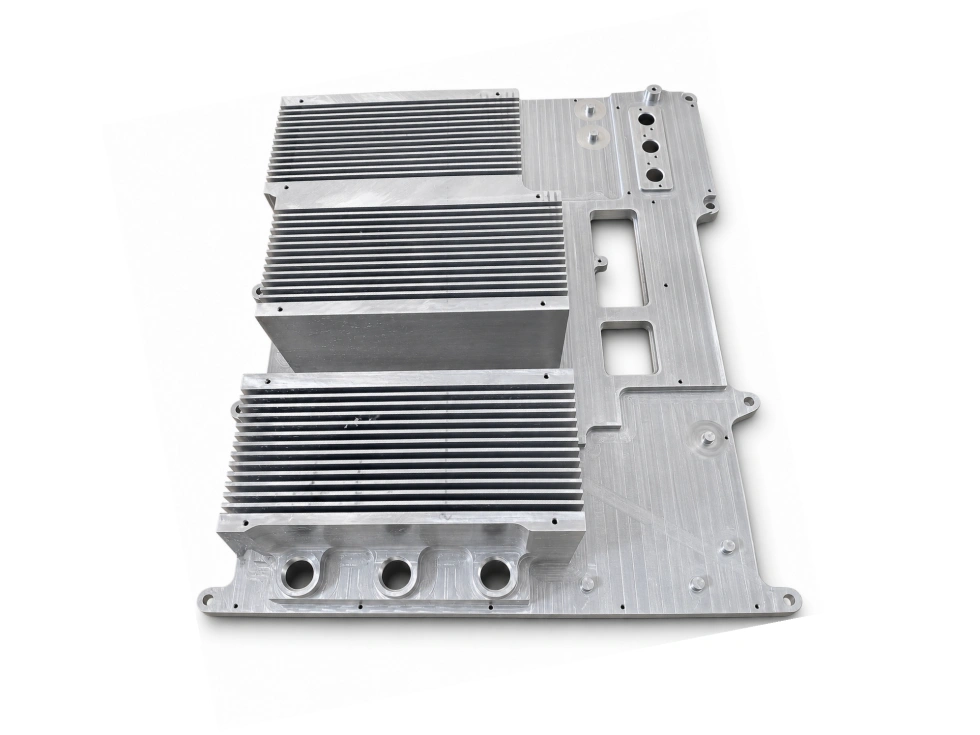
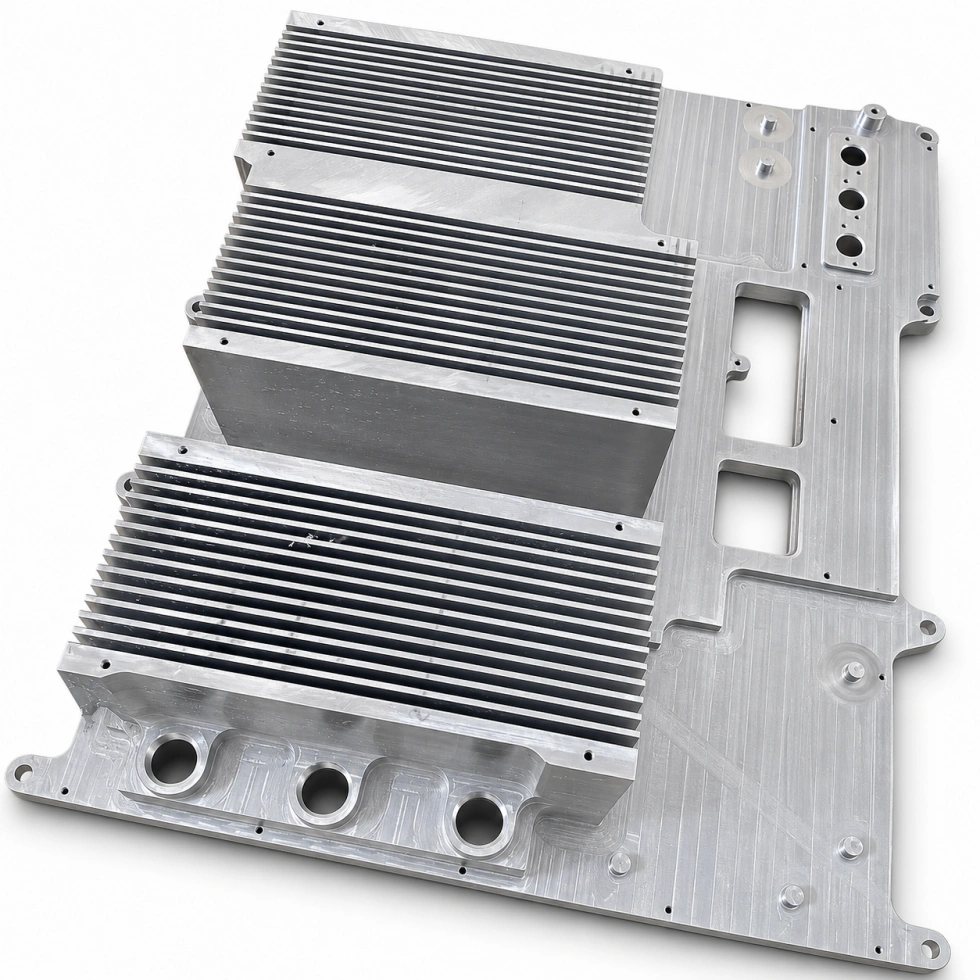
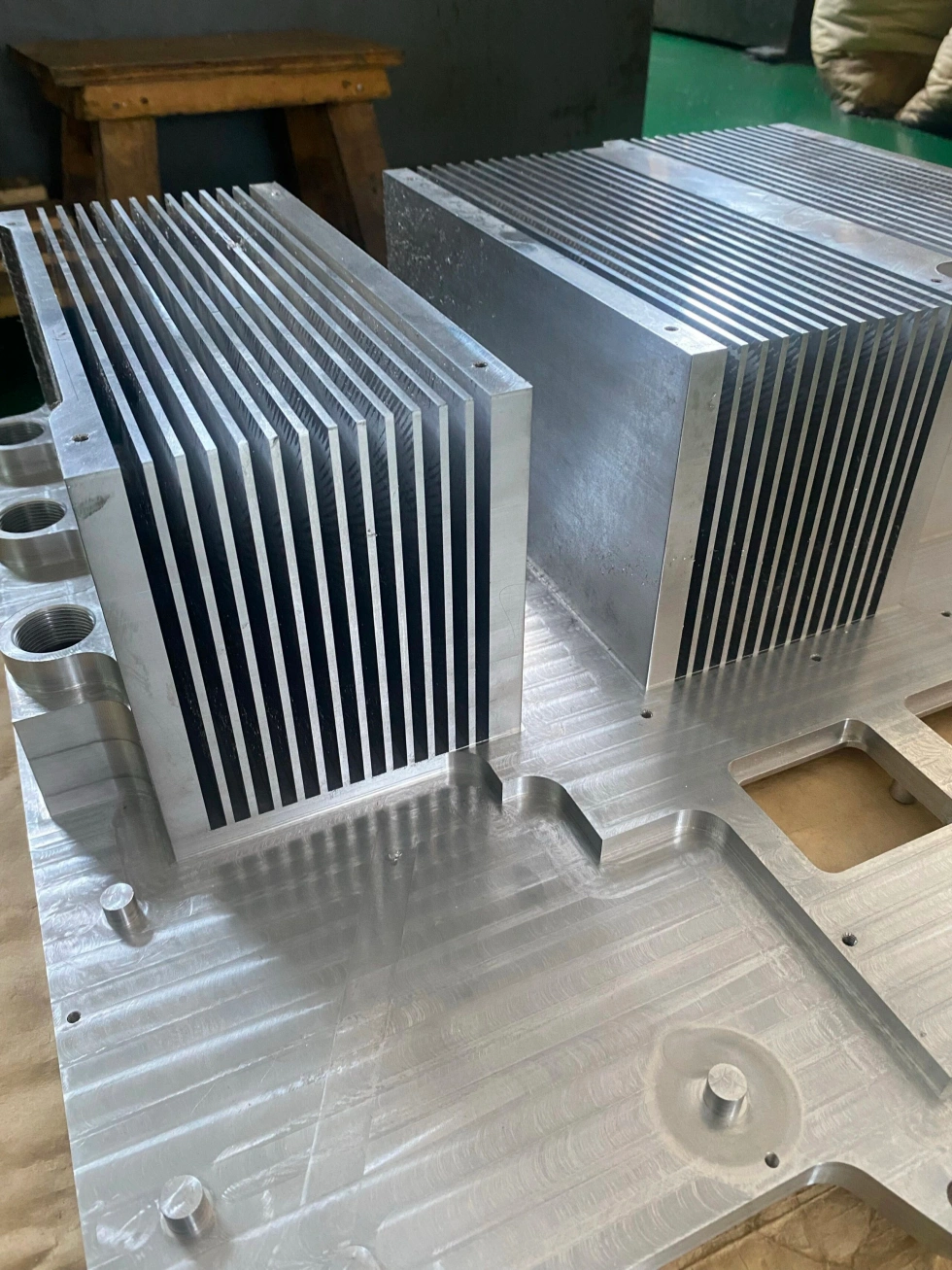
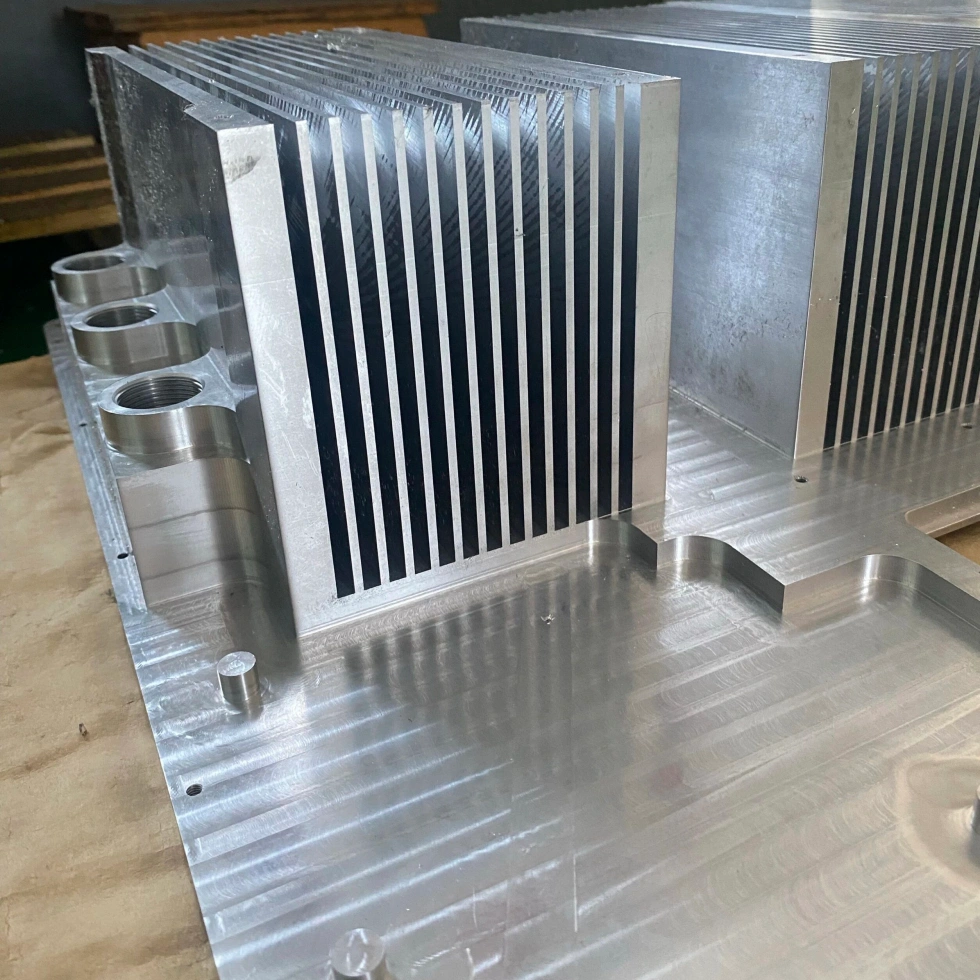
CNCTAL manufactured this custom large-format aluminum heat sink for a new energy equipment application. Measuring 600 × 800 mm, the component features deep cooling fin channels reaching 120 mm. The 100-piece production batch required careful CNC milling process planning to minimize vibration and chatter during deep-slot machining.
Manufacturing Process & Gallery
Explore the CNC milled features and finished details of this large-format aluminum heat sink manufactured for new energy equipment.
Large-Format CNC Milling
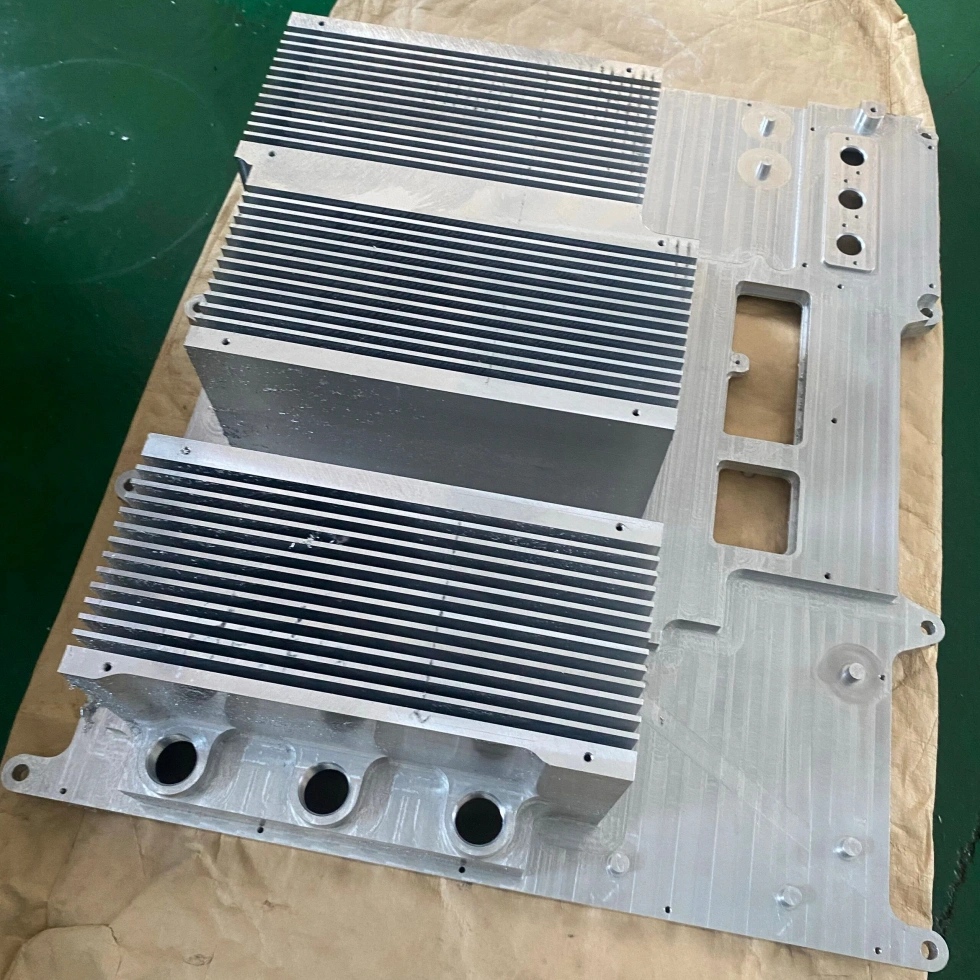
This custom aluminum heat sink measures 600 × 800 mm and features deep cooling channels reaching 120 mm. CNC milling was used to produce the cooling fins, mounting holes and other machined features.
One of the main machining challenges was vibration and chatter during deep-channel milling. The combination of deep slots and closely spaced fins requires careful consideration of tool reach, cutting forces and workpiece stability.
For a production quantity of 100 pieces, consistent workholding, suitable cutting parameters and a repeatable machining approach are important for achieving reliable results across the batch.
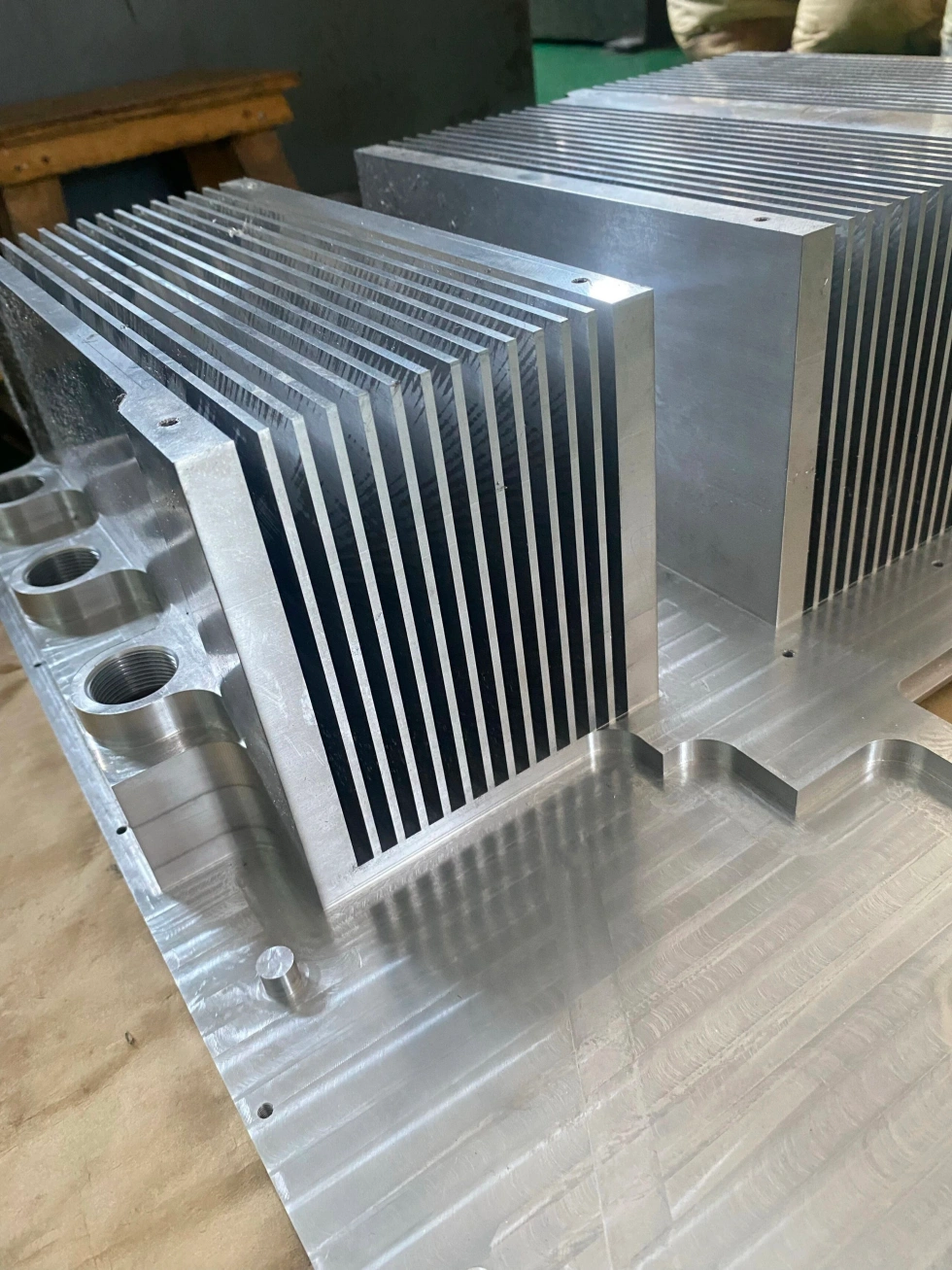
The 120 mm deep channels present a significant chatter risk. Tool selection, controlled cutting engagement and stable fixturing are key considerations when machining these aluminum cooling fins.
Finished Part Gallery
Click an image to view full size
Machining Challenges & Process Control
Manufacturing this large aluminum heat sink presents several CNC milling challenges. The 600 × 800 mm component combines deep 120 mm cooling channels with closely spaced fins, making workholding stability, vibration control and repeatable production important considerations.
Large-Part Workholding
The 600 × 800 mm aluminum component requires stable support during milling. Uneven clamping or insufficient support can introduce distortion and vibration. A suitable fixture arrangement should distribute clamping forces while maintaining access to the cooling channels and mounting features.
120 mm Deep-Slot Milling
Machining cooling channels up to 120 mm deep creates a significant risk of tool deflection and chatter. Long tool reach, chip evacuation and cutting forces must be considered carefully. Suitable tooling, controlled cutting engagement and appropriate machining parameters help reduce vibration during deep-slot milling.
Thin Cooling Fin Stability
The closely spaced aluminum cooling fins become less rigid as material is removed between the channels. Excessive cutting forces can cause fin deflection, chatter marks or local deformation. A carefully planned machining sequence and controlled finishing passes help protect these delicate features.
100-Piece Batch Consistency
Producing 100 large aluminum heat sinks requires repeatable setups and consistent machining conditions. Tool wear, fixture positioning and dimensional variation should be monitored throughout the batch. Inspection planning should focus on critical dimensions, cooling channel geometry and mounting features defined in the drawing.
Manufacturing Focus: Stability During Deep Milling
The main technical consideration in this project is controlling vibration while milling the 120 mm deep cooling channels. Stable workholding, suitable tool reach, controlled material removal and a well-planned machining sequence are important for maintaining fin geometry and surface consistency. For the 100-piece production batch, machining and inspection requirements should follow the approved engineering drawings.
Explore More Manufacturing Cases
Discover more CNC machining projects and custom precision components manufactured by CNCTAL.