
CNC Machined Aluminum Planet Carrier for Robotics
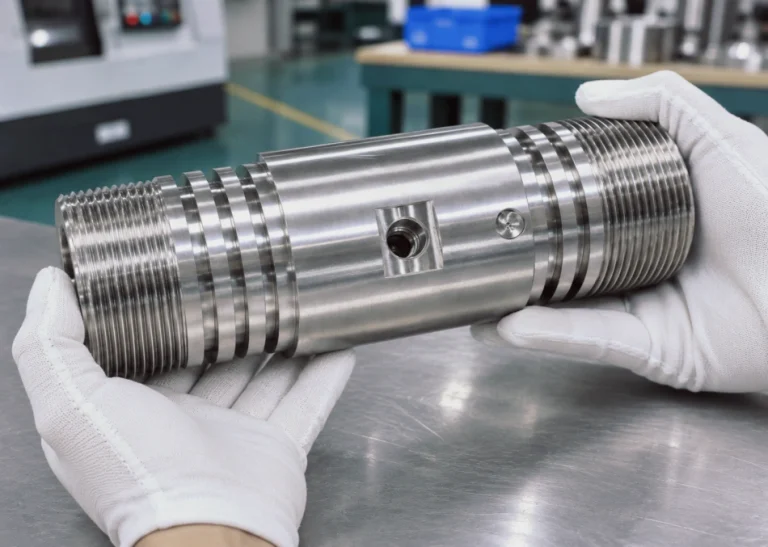
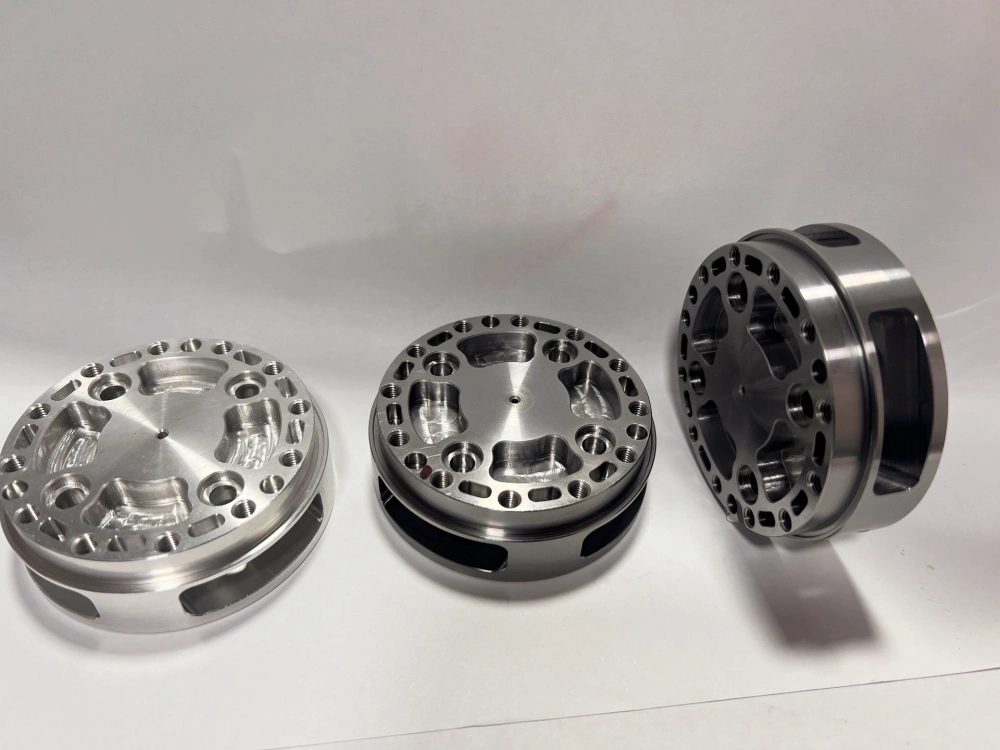
CNCTAL manufactured a batch of 60 custom planet carriers from 6061 aluminum for a robotics application. CNC turning and milling were combined to produce the cylindrical features, machined pockets, and hole patterns.
- Material
- 6061 Aluminum
- Quantity
- 60 Pieces
- Machining Process
- CNC Turning & Milling
- Application
- Robotics
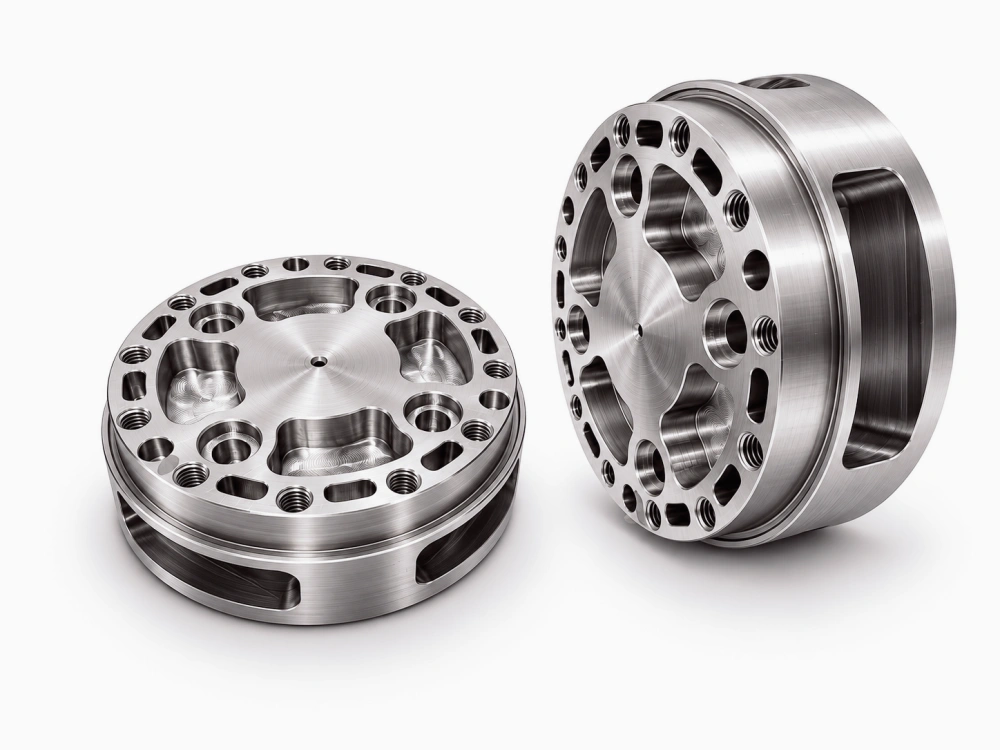
Manufacturing Video & Gallery
Explore the project video and finished details of these custom 6061 aluminum planet carriers for a robotics application.
CNCTAL Manufacturing Footage
Aluminum Planet Carrier Inspection
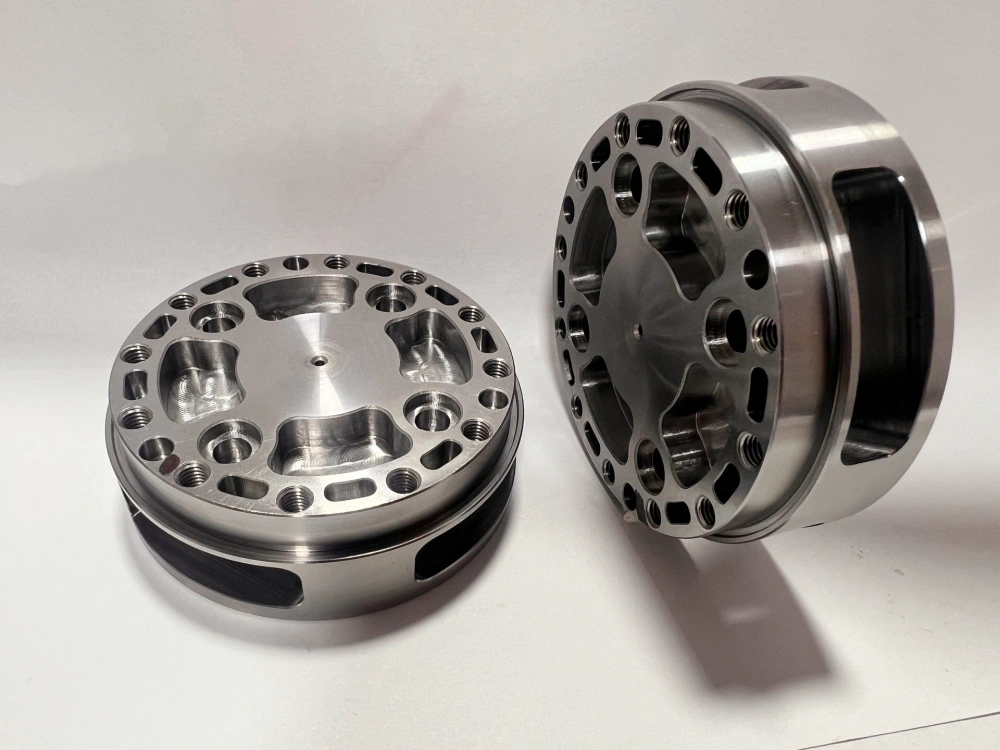
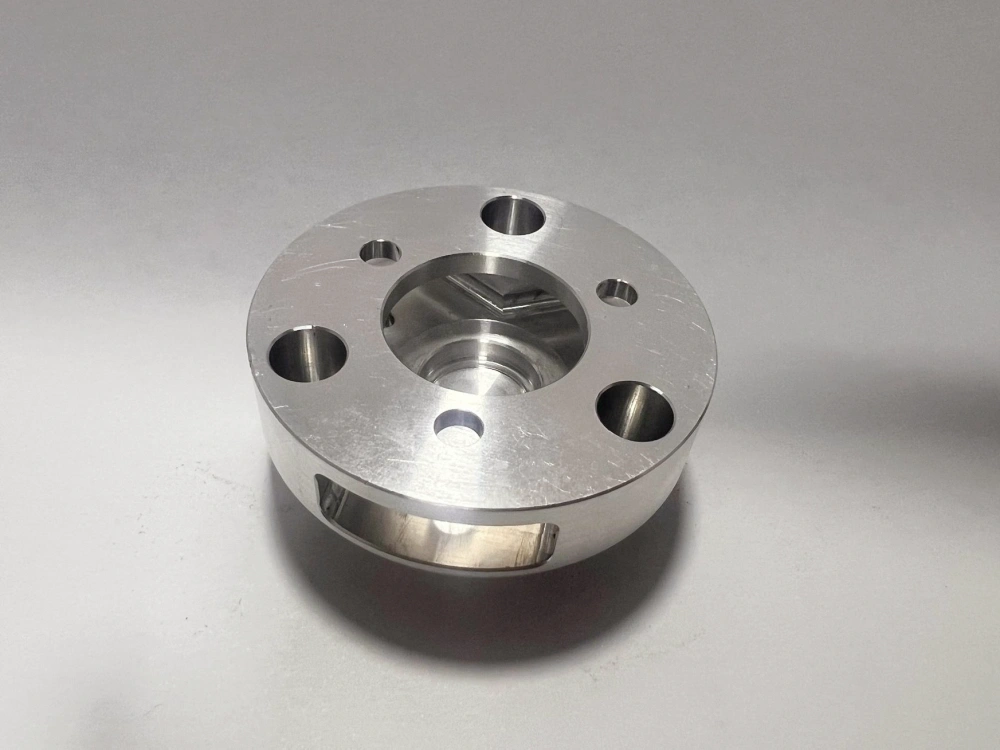
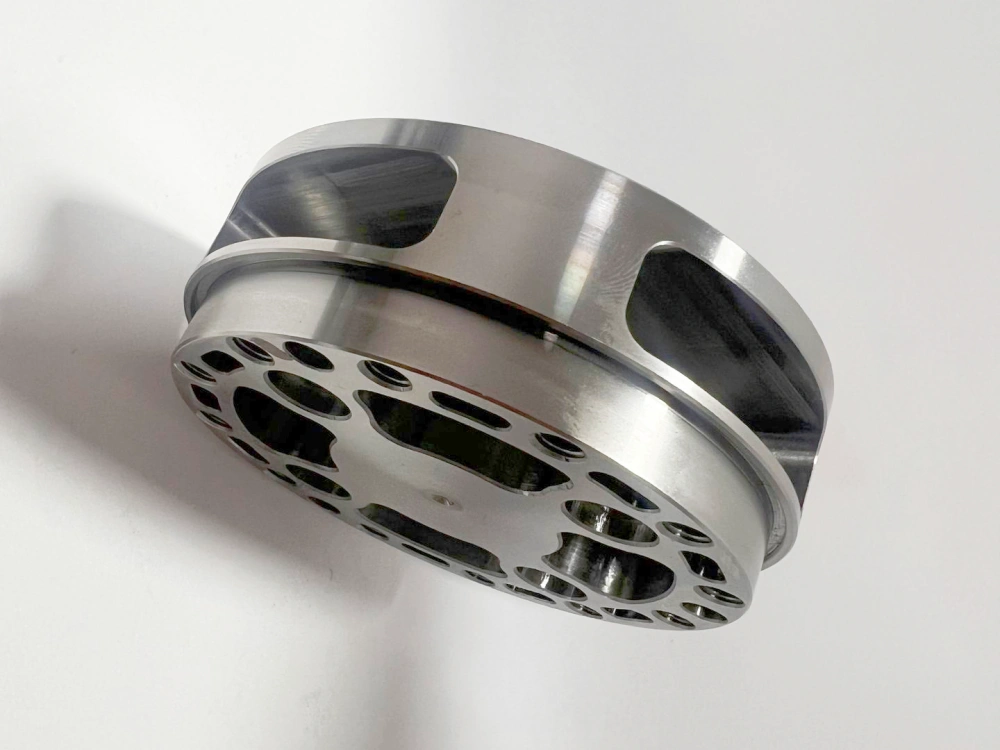
This batch of 60 custom planet carriers was manufactured from 6061 aluminum, combining CNC turning with milling operations.
Watch the inspection video and explore the finished component details below, including cylindrical sections, machined pockets, and hole patterns.
Watch on YouTube ↗Finished Part Gallery
Click an image to view full size
Machining Challenges & Process Control
Manufacturing an aluminum planet carrier requires attention to the relationship between its cylindrical features, hole patterns, and milled pockets. The following areas are important when planning turning, milling, and inspection.
Turned Reference Features
CNC turning produces the cylindrical surfaces, steps, and end faces. Suitable machined reference features help establish consistent positioning for subsequent milling operations.
Hole Pattern Positioning
The position of each hole relative to the specified datums is important for assembly. Setup alignment and machining sequence should support the hole locations and geometric requirements defined on the customer drawing.
Pocket & Window Milling
Machining the face pockets and side windows removes material from the carrier body. Appropriate workpiece support, clamping force, and cutting sequence help manage distortion and maintain edge quality.
Deburring & CMM Inspection
Hole edges, pockets, and window openings require attention to burrs. Coordinate measurement can verify relevant dimensions and feature relationships, with the inspection scope determined by the approved drawing.
Consistency Across 60 Parts
For this 60-piece batch, a key process consideration is repeatable positioning between turning and milling. A consistent datum strategy helps control the relationship between cylindrical surfaces, hole patterns, and milled features. Machining allowances, workholding, and inspection planning should follow the approved engineering drawing and its assembly requirements.
Explore More Manufacturing Cases
Discover more CNC machining projects and custom precision components manufactured by CNCTAL.