
How Precision CNC Machining Improves Robotics Performance
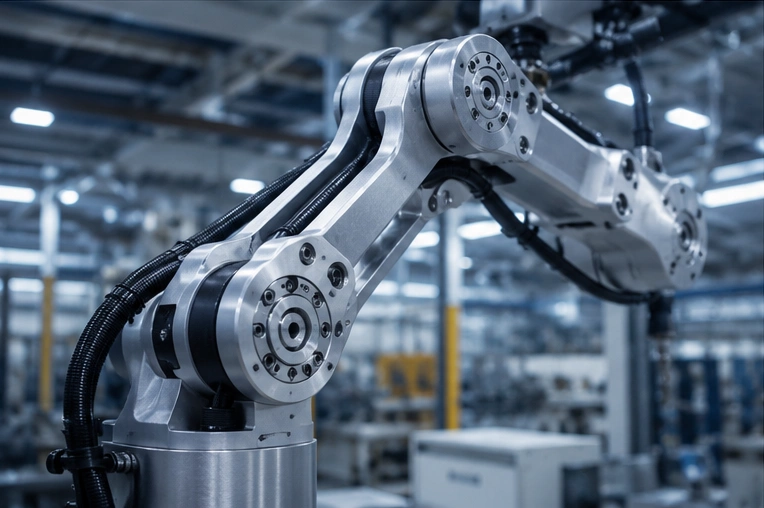
Robotics performance depends on more than software, sensors, and control systems. The accuracy, stability, and reliability of the mechanical components are just as important. Precision CNC machining helps robotic systems move more smoothly, repeat more accurately, and last longer in demanding applications.
From industrial automation and collaborative robots to medical robots, inspection systems, and humanoid robot projects, manufacturers need parts that can perform under repeated movement and mechanical stress.
A small dimensional error in a joint housing, shaft, bracket, or sensor mount can affect alignment, repeatability, vibration, and service life. This is why precision CNC machining has become one of the most important manufacturing methods for robotics components.
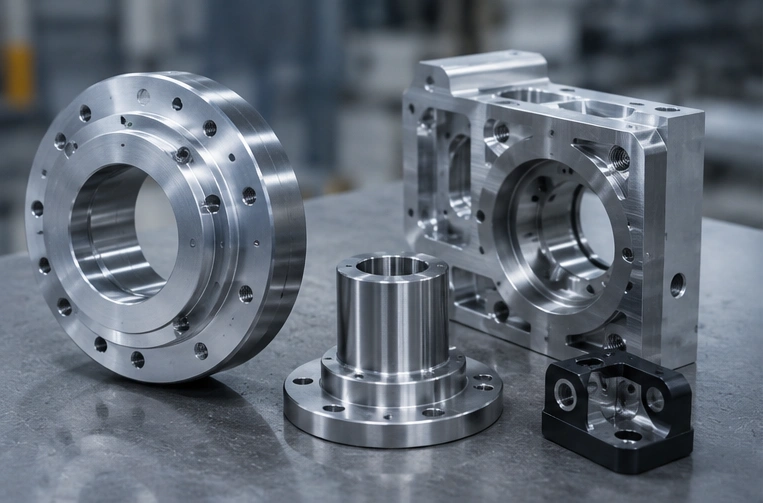
In robotics, precision is not only about making a part look accurate. It directly affects how the robot moves, how stable the assembly is, and how long the system can operate without mechanical problems.
Why Precision Matters in Robotics
Robots are often required to repeat the same movement thousands or even millions of times. If the machined parts are not consistent, the robot may experience positioning errors, increased vibration, poor motion control, or premature wear.
For robotic arms, automation equipment, AI hardware, and sensor-based systems, precision machining helps maintain correct relationships between motors, bearings, gearboxes, frames, and end-effectors.
How CNC Machining Improves Robotics Performance
1. Better Positioning Accuracy
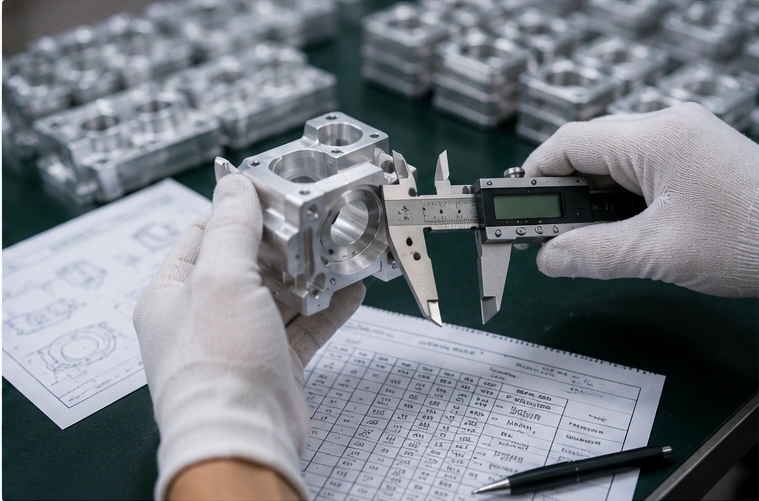
CNC machining helps reduce mechanical play and improves alignment between critical parts such as motor mounts, bearing seats, shafts, and joint housings.
2. Higher Repeatability
Consistent part dimensions help robots perform the same motion repeatedly with less variation during long production cycles.
3. Reduced Vibration
Accurate machining and smooth contact surfaces reduce imbalance, misalignment, and unnecessary vibration during robot operation.
4. Longer Service Life
Better part fit, stable load distribution, and improved surface quality can reduce wear and maintenance requirements.
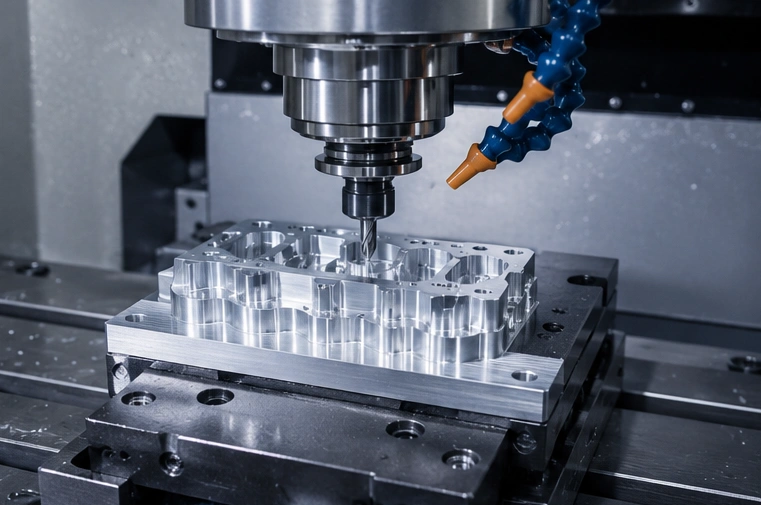
Common CNC Machined Parts Used in Robotics
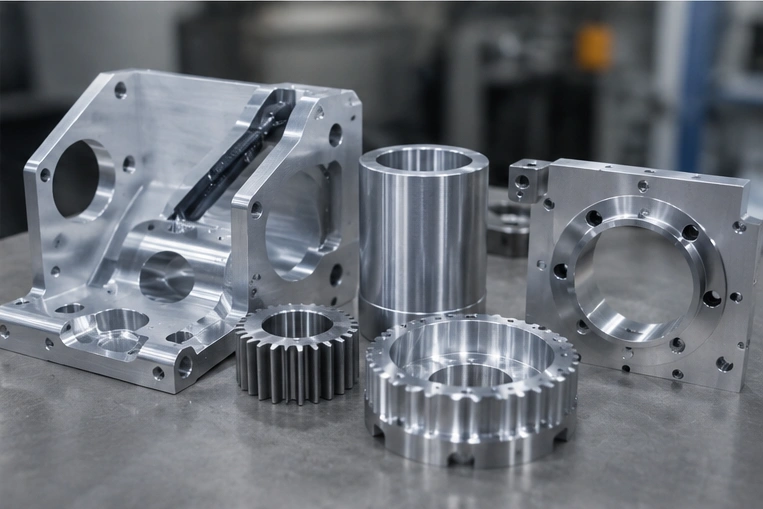
Many robotics components require tight tolerances, stable assembly, and reliable surface quality. CNC machining is commonly used for both structural and functional parts.
Best Materials for CNC Machined Robotics Parts
Material selection affects weight, strength, wear resistance, corrosion resistance, and machining cost. The best choice depends on the robot’s application and working environment.
Aluminum 6061 / 7075
Lightweight, strong, and easy to machine. Commonly used for robot frames, brackets, arms, and sensor mounts.
Stainless Steel
Suitable for parts requiring strength, corrosion resistance, and durability, especially in medical or food automation.
Titanium
Used for high-performance robotics where strength, weight reduction, and corrosion resistance are important.
Engineering Plastics
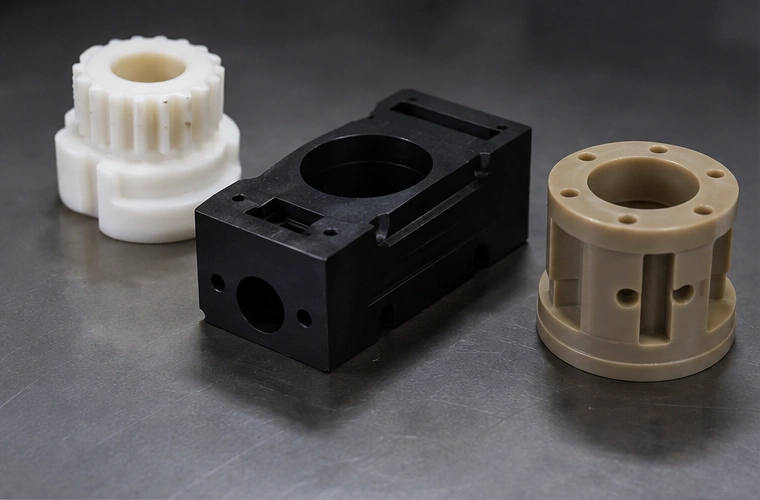
PEEK, Delrin, Nylon, and PTFE are used for lightweight parts, sliding parts, wear parts, and insulation components.
CNC Machining for Robotics Prototypes and Production
Robotics projects often start with prototypes. Engineers need to test the design, check assembly, improve motion performance, and make design changes before production.
CNC machining is ideal for this process because it can produce functional metal and plastic parts without expensive tooling. It also supports low-volume production, pilot runs, and custom production batches after the design is validated.
Why Robotics Manufacturers Choose CNCTAL
CNCTAL provides precision CNC machining services for robotics components, automation systems, AI hardware, and industrial equipment. We support customers from prototype development to small-batch and production manufacturing.
CNC Milling & Turning
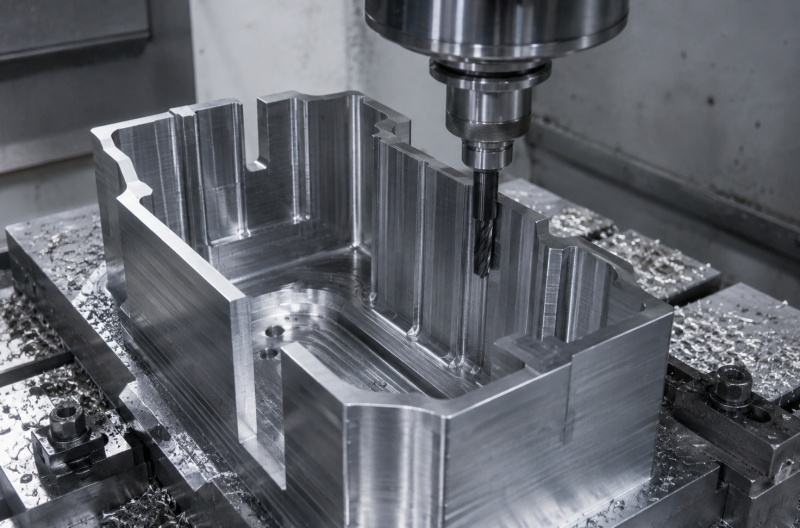
3-axis, 4-axis, and 5-axis CNC milling, plus CNC turning for shafts, bushings, housings, and precision round components.
Wide Material Options
Aluminum, stainless steel, titanium, brass, copper, PEEK, Delrin, Nylon, and other engineering plastics.
Surface Finishing
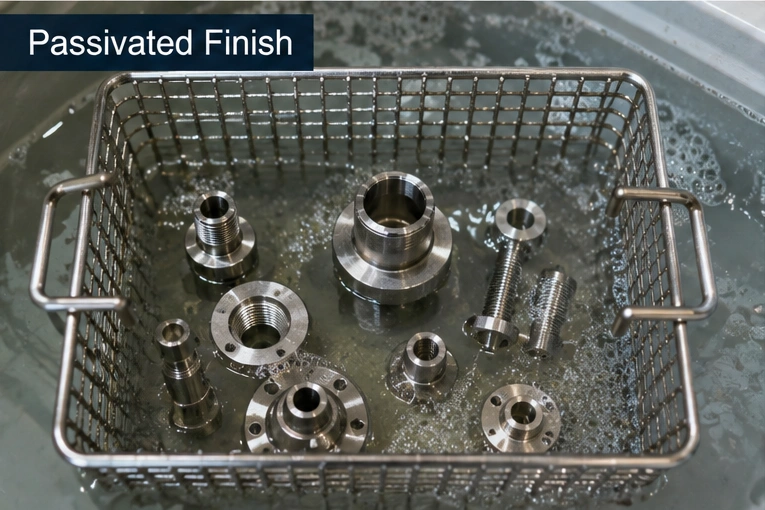
Anodizing, sandblasting, polishing, plating, powder coating, passivation, brushing, and other finishing options.
Global Project Support
Prototype and low-volume production support for overseas customers in Europe, North America, and other markets.
Conclusion
The performance of a robot depends not only on software and electronics, but also on the quality of its mechanical components.
Precision CNC machining helps improve robotic accuracy, repeatability, vibration control, assembly quality, and service life. For robotic arms, grippers, sensor mounts, gearbox housings, and automation parts, CNC machining remains one of the most reliable manufacturing methods.
If you are developing custom robotics components, CNCTAL can help turn your CAD drawings into high-quality machined parts.
Need Custom CNC Machined Robotics Parts?
Upload your CAD files and drawings. CNCTAL engineers will review your project and provide a fast quotation for your robotics components.
Request a Quote