
CNC Machined Stainless Steel Precision Connector
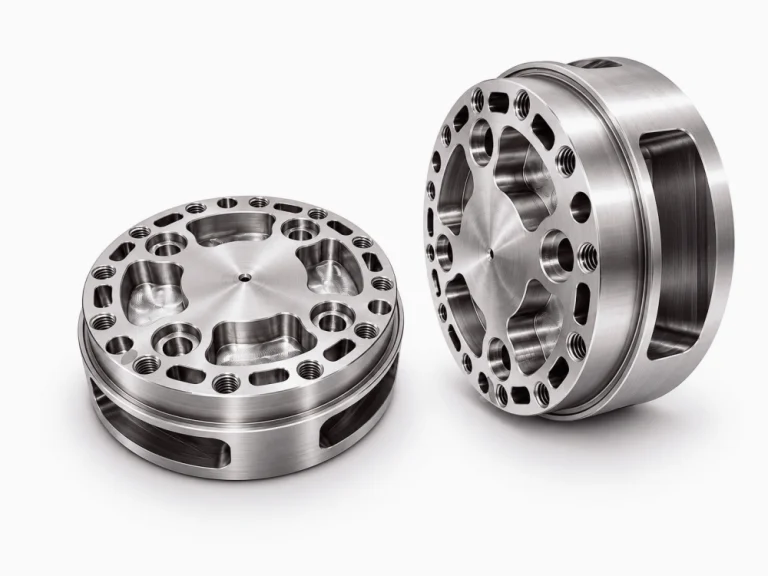
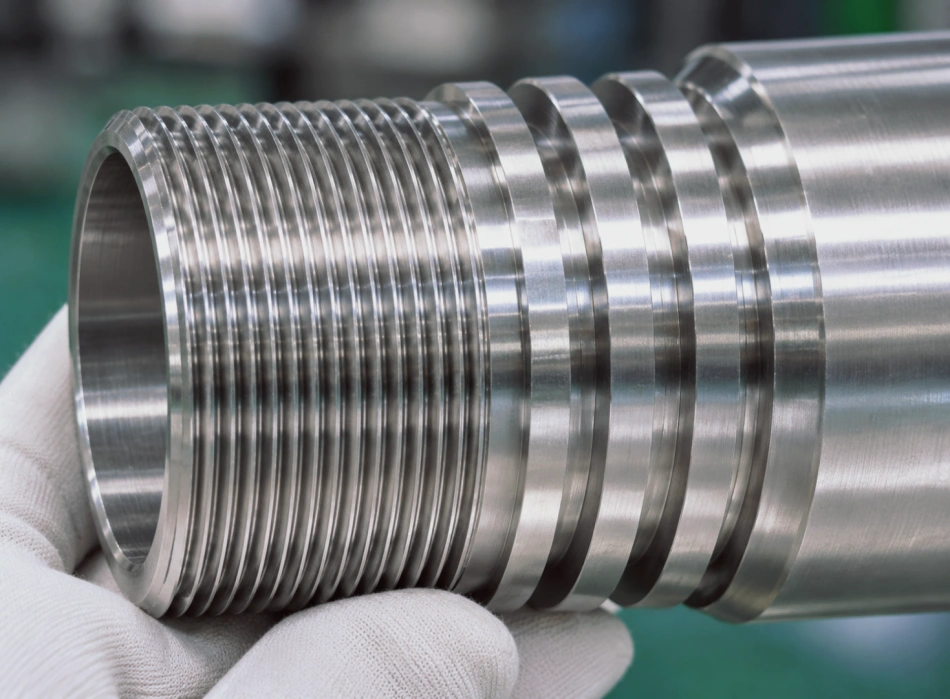
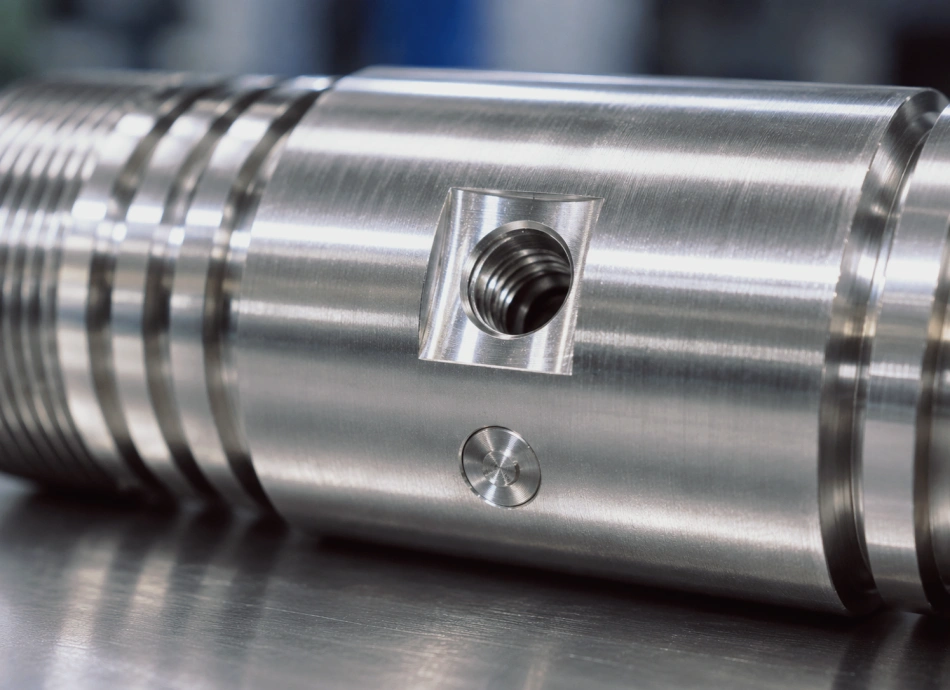
CNCTAL manufactured this custom precision connector for an energy equipment application. Made from 304 stainless steel, the 20-piece batch features CNC turned cylindrical sections, external threads, and secondary milled details.
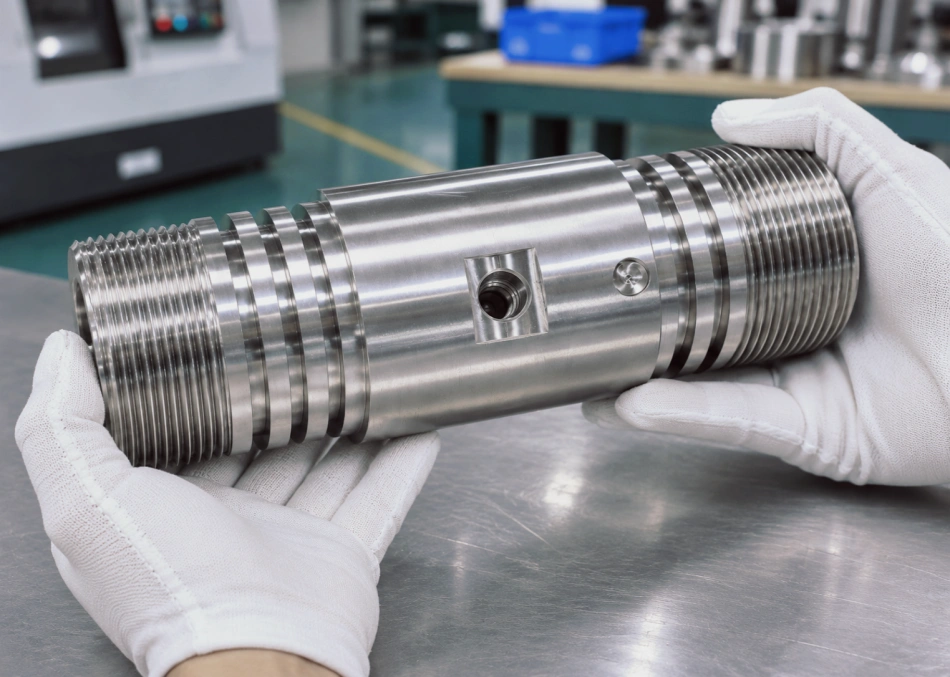
Actual CNC Machined Component
Manufacturing Video & Gallery
Explore the machining process and finished details of this custom 304 stainless steel precision connector.
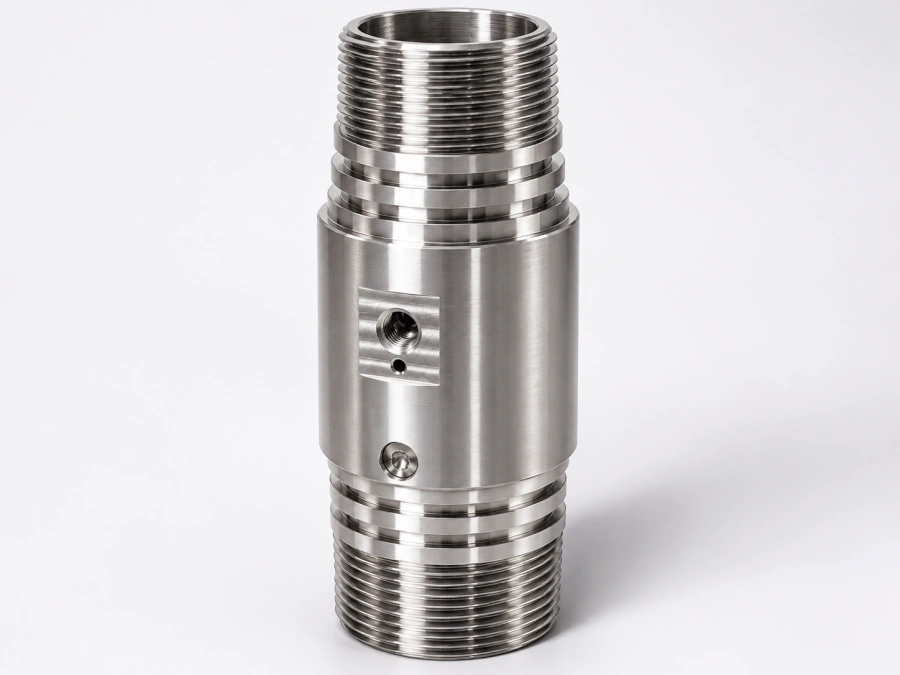 Watch CNC Machining Video
CNCTAL Manufacturing Footage
CNC Machining in Action
This precision connector is manufactured from 304 stainless steel, combining CNC turning with secondary milling operations.
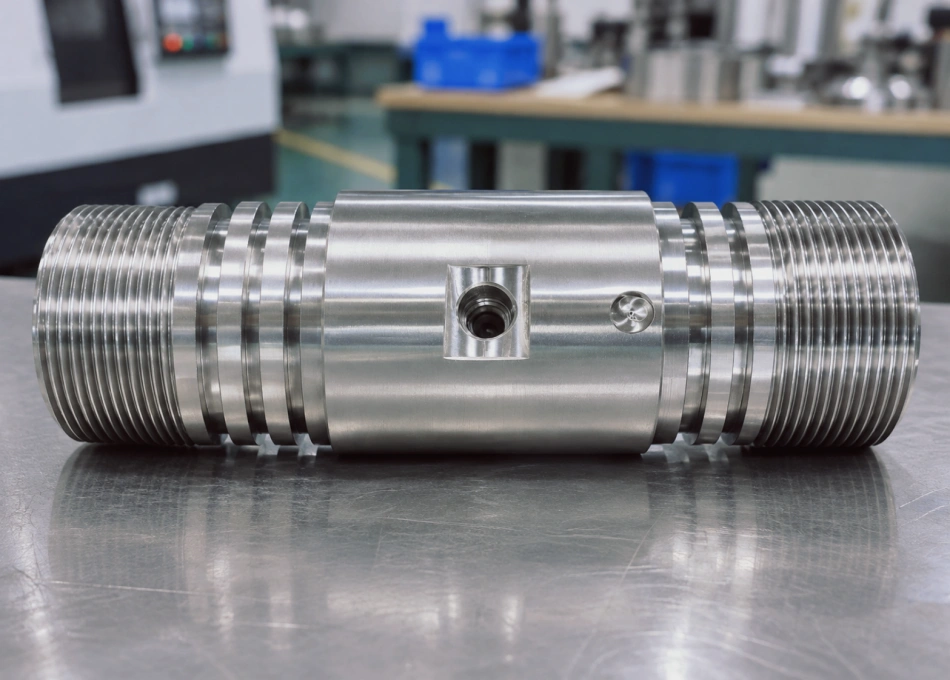
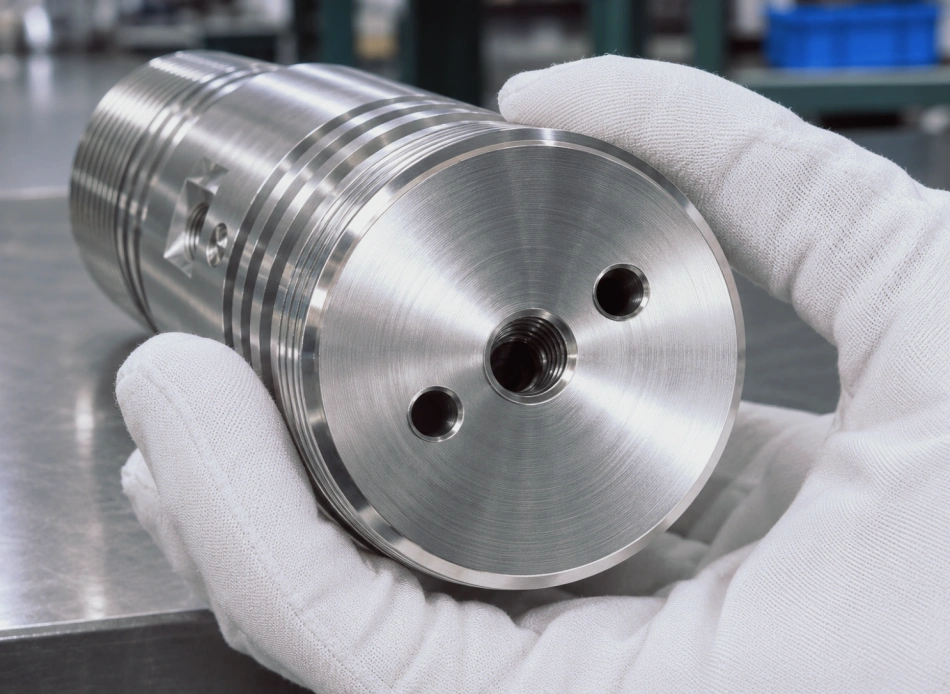
The finished component features external threads, stepped cylindrical sections, and additional machined details.
Watch on YouTube ↗Finished Part Gallery
Click an image to view full size
Machining Challenges & Process Control
Manufacturing this 304 stainless steel connector involves several machining considerations, from controlling tool wear during turning to managing threaded features and secondary side-port operations. The following areas are considered when planning production.
304 Stainless Steel Turning
Stainless steel 304 can generate heat and promote work hardening during cutting. Suitable tooling, stable cutting parameters, and coolant delivery help manage tool wear and surface consistency.
External Thread Machining
Threaded sections at both ends require attention to tool positioning, thread geometry, and edge condition. Thread dimensions and fit should be verified against the customer drawing.
Side-Port Milling
The side port requires access to a feature away from the main turning axis. Secondary positioning and fixture stability are important to support consistent alignment during machining.
Deburring & Inspection
Machined holes, grooves, and thread edges require attention to burr formation. Inspection planning should cover relevant dimensions, feature condition, and requirements specified on the drawing.
Manufacturing Focus: Setup Consistency
For a small production batch of 20 pieces, a practical process plan should balance machining efficiency with repeatable positioning. The transition between turning and milling operations is an important consideration, particularly where side features must align with the main cylindrical geometry. Final machining and inspection requirements remain subject to the approved engineering drawings.
Explore More Manufacturing Cases
Discover more CNC machining projects and custom precision components manufactured by CNCTAL.